Perfumer
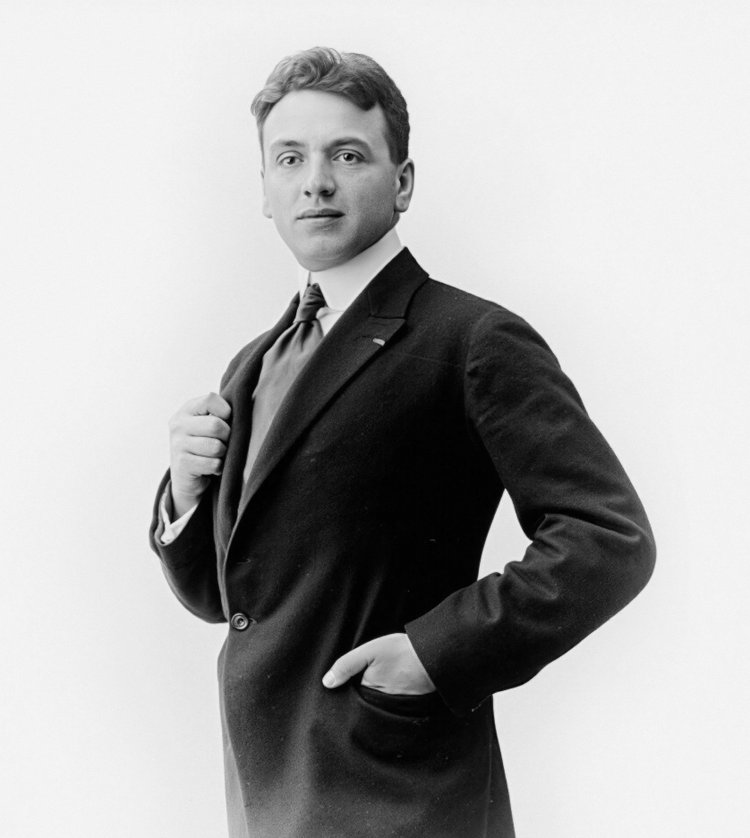
Ernest Beaux
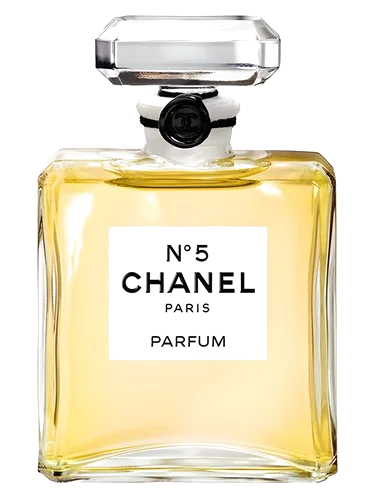
Ernest Beaux is one of the most important figures in the entire history of perfumery. He is the creator of Chanel No. 5, arguably the most famous fragrance ever made and certainly one of the most influential creations in the history of luxury goods.
Born in Moscow in 1881 to a family of French origin, Beaux grew up at the crossroads of Russian and French culture. His father worked for the perfume house Rallet, and the young Ernest followed him into the trade. He trained as a perfumer and showed extraordinary talent from the very beginning.
His early life in Russia exposed him to the vast, cold landscapes and unique scents of the Russian north. Years later, he would describe how the midnight sun and the crisp Arctic air influenced his creative vision. These memories of ice, snow, and pristine freshness would find their way into his most famous creation.
The story of Chanel No. 5 is one of the most legendary in the fragrance world. In 1920, Coco Chanel asked Beaux to create a fragrance that smelled like a woman, not like a flower. This was a revolutionary brief at a time when most women's fragrances were simple floral soliflores.
Beaux responded with something the world had never smelled before. He presented Chanel with a series of samples numbered 1 through 5 and 20 through 24. She chose number 5. The name stuck, and history was made.
What made No. 5 so groundbreaking was Beaux's bold use of aldehydes — synthetic molecules that gave the fragrance an abstract, sparkling quality unlike anything on the market. He used them in quantities that other perfumers considered reckless. The result was a fragrance that transcended the natural world — it did not smell like any single flower or ingredient. It smelled like something entirely new.
Chanel No. 5 became an instant sensation and has remained the world's most famous perfume for over a century. It has been worn by icons from Marilyn Monroe to Catherine Deneuve. Its cultural impact extends far beyond the fragrance industry — it is a symbol of luxury, femininity, and timeless style.
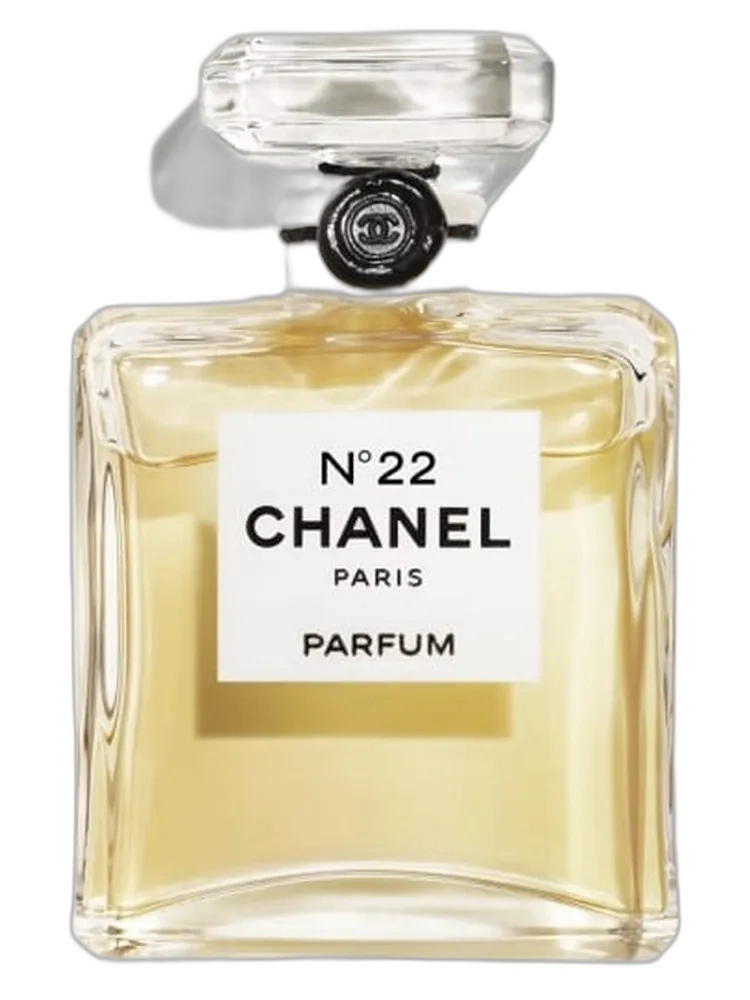
But Beaux's genius extended beyond No. 5. He also created No. 22 for Chanel, another remarkable composition that showcased his mastery of aldehydes and florals. And his earlier work at Rallet produced fragrances that were highly regarded in their own right.
Beaux's use of aldehydes was not just a technical innovation — it was an artistic revolution. He showed that perfumery could go beyond reproducing natural scents. It could create entirely new olfactory experiences that existed only in the imagination of the perfumer. This idea opened the door for every abstract, modern fragrance that followed.
He also understood something fundamental about luxury fragrance that many of his contemporaries missed. A great perfume is not just about beautiful ingredients — it is about creating an aura, an identity, a feeling. Chanel No. 5 does not just smell good. It makes the wearer feel elegant, confident, and special.
Beaux passed away in 1961, but his legacy is immortal. Every time someone opens a bottle of Chanel No. 5, they are experiencing the vision of a man who changed the world of fragrance forever. He did not just create a perfume — he created a cultural icon that has endured for more than a hundred years.
2 fragrances