The Noses
Perfumers
93 perfumers
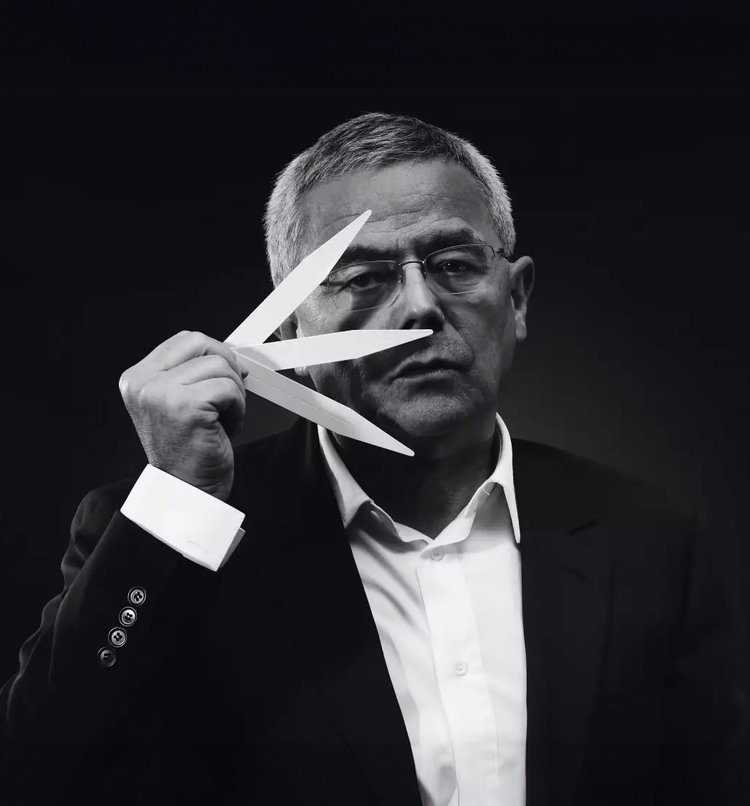
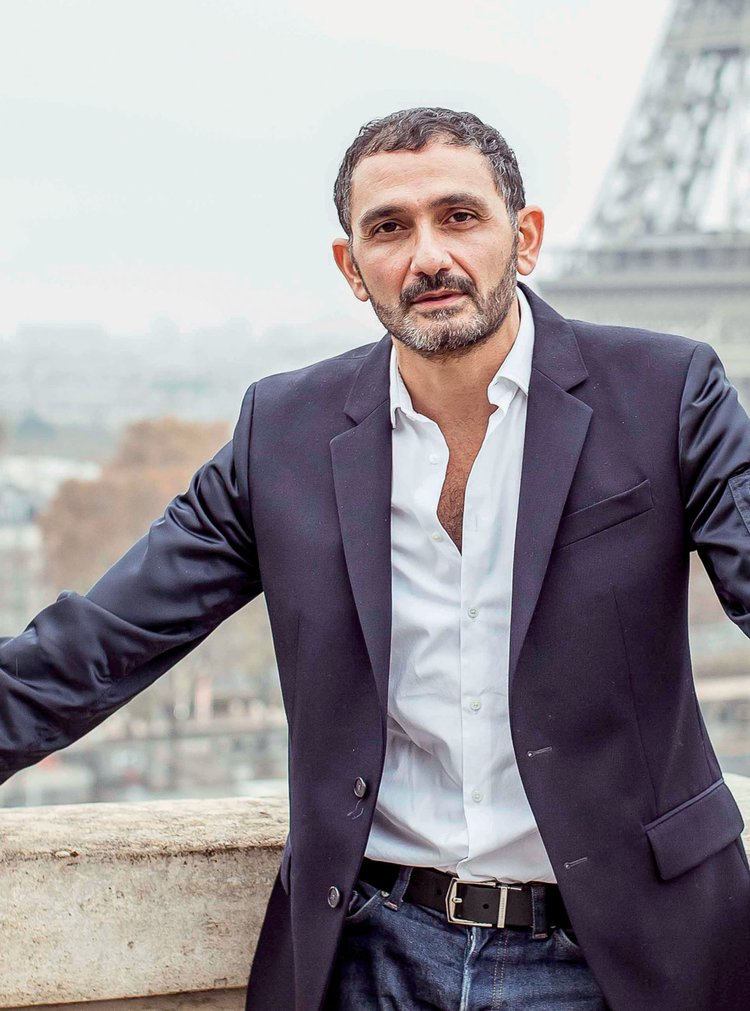
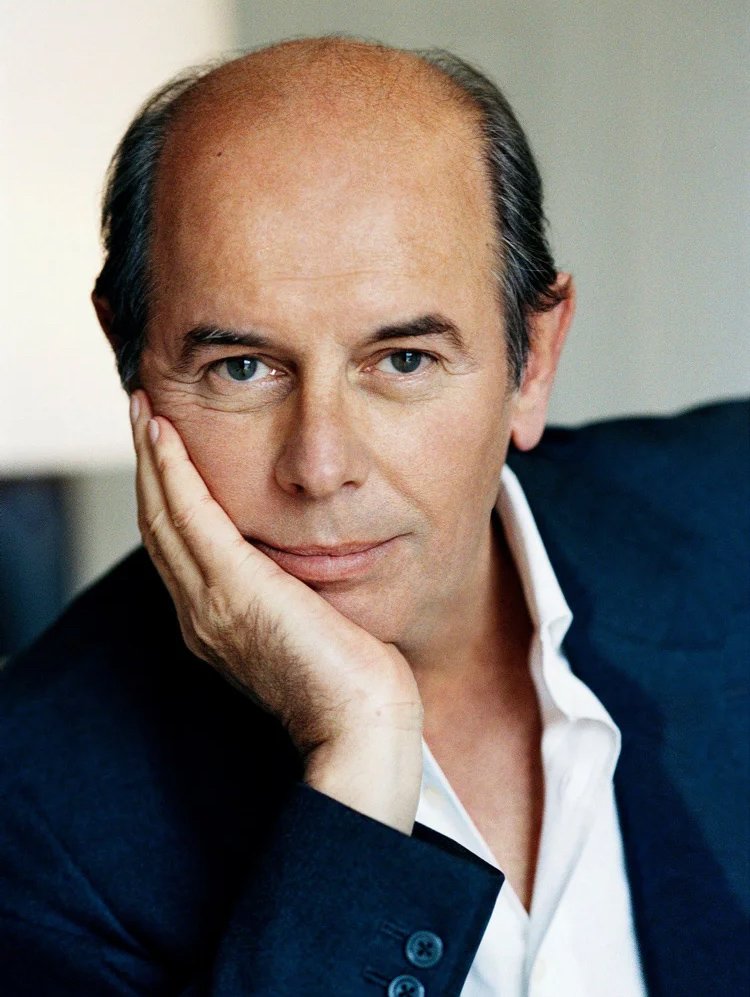
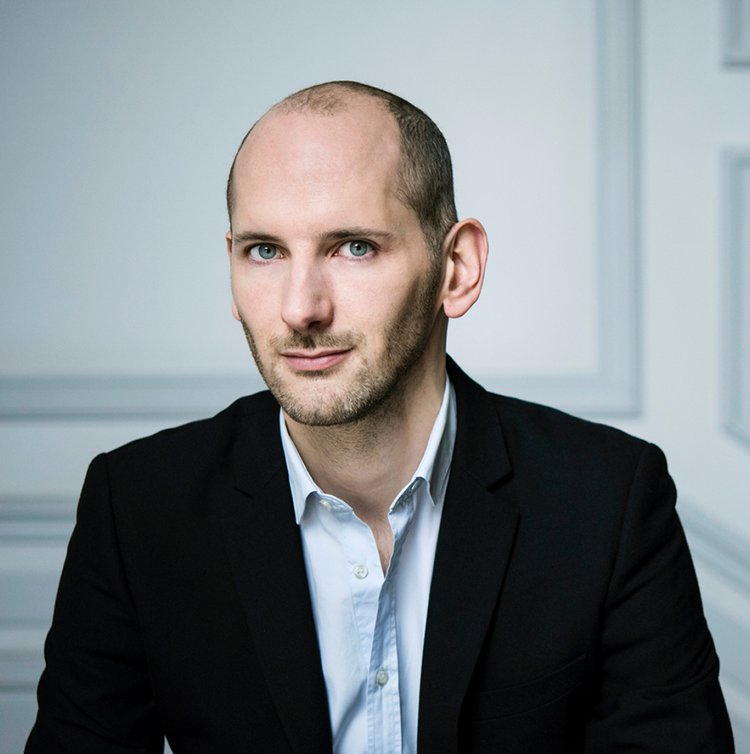




Edmond Roudnitska
5 creationsEdmond Roudnitska is widely regarded as one of the greatest perfumers who ever lived. Born in 1905 in Nice, France, he transformed perfumery from a craft into an art form and created some of the most important fragrances of the twentieth century. Roudnitska grew up on the French Riviera, surrounded by the flowers and herbs that would become the raw materials of his life's work. He studied chemistry and then turned his attention to perfumery at a time when the profession was undergoing a dramatic transformation. His work for the house of Dior produced several masterpieces that remain touchstones of the art to this day. Miss Dior Originale, created in 1947, was one of the first fragrances launched by the house. It captured the spirit of Christian Dior's revolutionary New Look — feminine, elegant, and absolutely captivating. Diorissimo followed, widely considered one of the greatest lily of the valley fragrances ever created. The remarkable thing about Diorissimo is that lily of the valley is almost impossible to extract naturally. Roudnitska had to recreate the scent entirely from other materials — a feat of creative engineering that has never been surpassed. Diorama, Diorella, and Eau Fraîche further cemented his relationship with Dior and his reputation as a genius of composition. Each of these fragrances pushed the boundaries of what perfumery could achieve. They were not just pleasant smells — they were artistic statements. What set Roudnitska apart from his contemporaries was his intellectual approach to perfumery. He was not content to simply mix ingredients by instinct. He thought deeply about the theory of composition, writing extensively about perfumery as an art form deserving of the same respect as music or painting. His book "Le Parfum" is considered one of the most important texts ever written about the art of fragrance. In it, he argued that perfumers should be regarded as artists, not merely technicians. This was a radical idea at the time, and it helped elevate the status of perfumers throughout the industry. Roudnitska also pioneered the use of synthetic materials in fine perfumery. He understood that synthetics were not replacements for naturals but entirely new tools that could expand the perfumer's palette in unprecedented ways. This forward-thinking approach influenced generations of perfumers who followed. His working methods were legendary for their rigor and precision. He would spend years perfecting a single formula, testing and retesting until every element was in perfect balance. He believed that a great perfume should be inevitable — that once you smelled it, you should not be able to imagine it being any different. Roudnitska passed away in 1996, but his influence on modern perfumery is immeasurable. Every perfumer working today owes something to his vision of perfumery as an art form. His fragrances continue to be studied, admired, and worn by people who appreciate the highest expression of the craft. His son Michel Roudnitska followed him into perfumery, carrying on the family tradition. But Edmond's legacy stands on its own as one of the towering achievements in the history of fragrance. He did not just create great perfumes — he changed the way the world thinks about what perfume can be.
Known for Dior Diorama, Dior Dior Eau Fraiche & Dior Miss Dior Originale
Jean-Pierre Béthouart
5 creationsJean-Pierre Béthouart is a French perfumer whose career has produced some of the most memorable and enduring fragrances in the history of designer perfumery. His work for Dior and Versace has earned him a place among the great creators of the late twentieth century. Béthouart trained in the French perfumery tradition, developing the deep knowledge of raw materials and composition techniques that characterize the country's finest noses. His style favors warmth, sensuality, and a certain dreamlike quality that sets his work apart. His creation of Dune for Dior is one of the defining fragrances of the 1990s. Launched in 1991, Dune captures the feeling of warm sand, sea breeze, and golden sunlight in a way that is both poetic and deeply wearable. It is a fragrance that transports you to a beautiful, tranquil place every time you wear it. Dune is often cited as one of the most atmospheric fragrances ever created. It does not smell like any single ingredient — it smells like a place, a feeling, a memory. Creating this kind of impressionistic fragrance is extraordinarily difficult, and Béthouart pulled it off brilliantly. Dune Pour Homme brought the same dreamy, atmospheric quality to men's perfumery. It is a rare example of a masculine flanker that feels as inspired and original as the feminine original. Both fragrances share a sense of warmth and serenity that is uniquely Béthouart. Forever and Ever Dior is another notable creation — a soft, romantic fragrance that captures a sense of eternal love and devotion. The name is ambitious, and Béthouart's composition lives up to it with a gentle, enveloping warmth that feels genuinely timeless. His work on Versace Essence Emotional for women shows his ability to adapt his style to different brand identities. Where his Dior creations are poetic and introspective, his Versace work brings more energy and glamour to the table. This versatility is a mark of genuine talent. The Dreamer for Versace is another career highlight — a tobacco-and-iris men's fragrance that has gained cult status among fragrance enthusiasts. The Dreamer is regularly cited as one of the most underrated men's fragrances ever made. Its warm, contemplative character feels completely unique in a market dominated by fresh and sporty scents. What connects all of Béthouart's work is a sense of emotion and atmosphere. His fragrances do not just smell good — they create worlds. They evoke feelings of warmth, tranquility, romance, and beauty that go far beyond the usual expectations of a commercial fragrance. His influence on the fragrance industry is significant, even if his name is less well-known than some of his contemporaries. The atmospheric, dreamy style that he helped pioneer has influenced countless perfumers who followed. Béthouart's legacy is one of poetry and beauty. His fragrances are among the most emotionally moving in the history of the art form, and they continue to be discovered and cherished by new generations of fragrance lovers.
Known for Dior Dune Pour Homme, Dior Dune & Dior Forever And Ever Dior




Bertrand Duchaufour
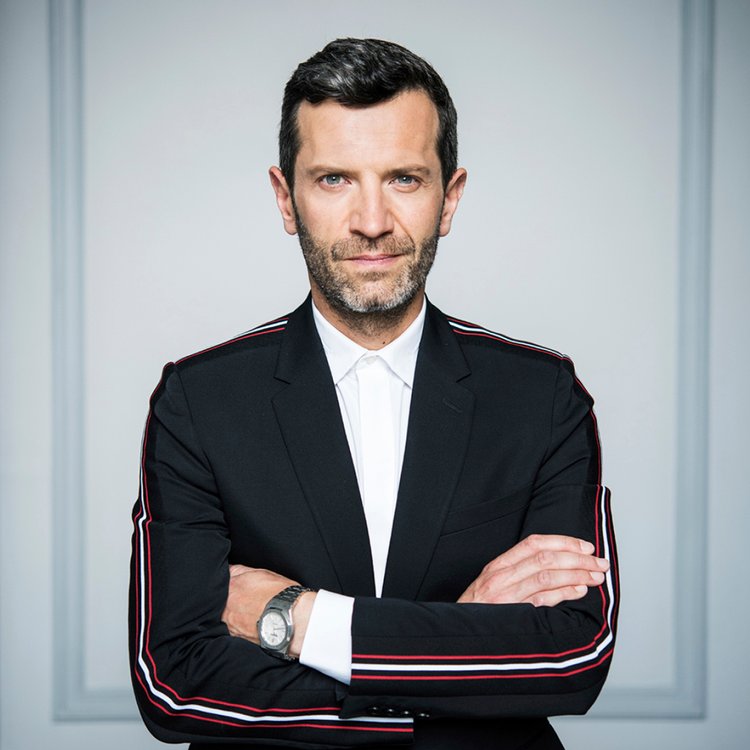
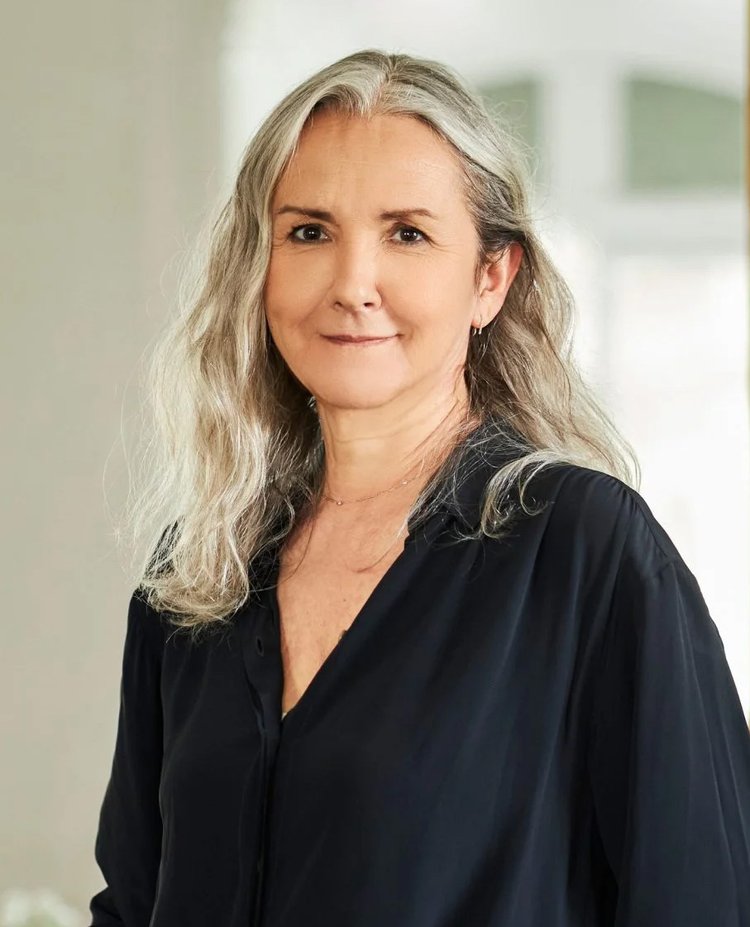
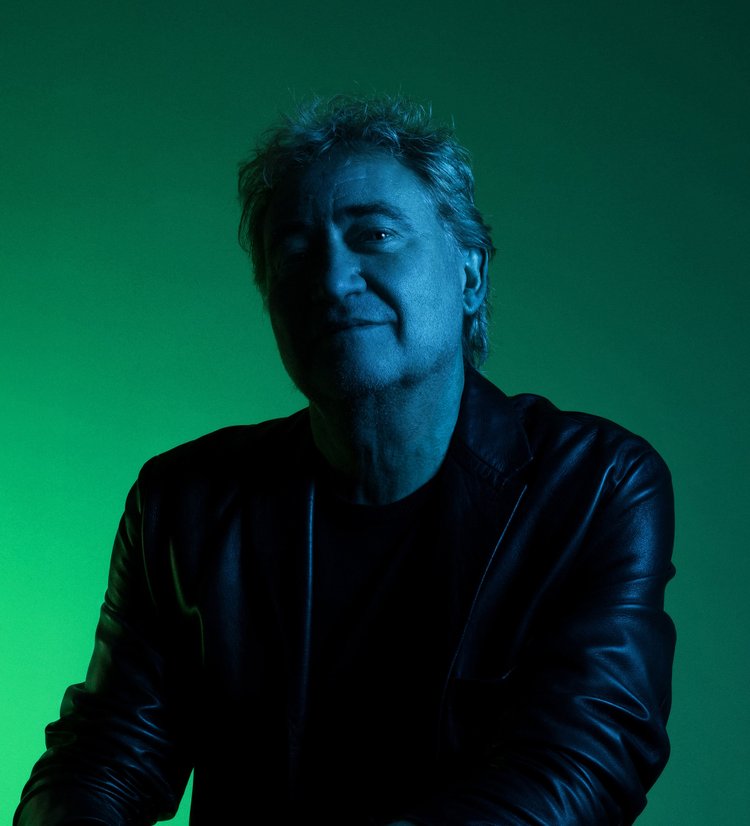
2 creationsBertrand Duchaufour is a French perfumer who has earned a devoted following for his richly textured, often exotic compositions. He is one of those rare perfumers who can transport you to another place and time with a single spray — his fragrances are journeys, full of color, warmth, and unexpected beauty. Duchaufour studied fine arts before turning to perfumery, and this artistic background shows in everything he creates. His fragrances feel like paintings — layered, nuanced, and full of subtle details that reveal themselves slowly over time. He trained at some of the world's leading fragrance houses before establishing himself as one of the most respected independent perfumers in the industry. His creative philosophy is deeply influenced by travel and cultural exploration. Duchaufour has spent time in Asia, the Middle East, and Africa, and these experiences have left a lasting mark on his work. He has a particular gift for capturing the essence of a place — the smell of incense in a temple, the warmth of spices in a market, the freshness of tropical flowers after rain. His fragrances are not literal recreations of these experiences but rather impressionistic interpretations that capture the feeling and emotion of being there. His work on the Fahrenheit franchise for Dior showcases his versatility. Fahrenheit is one of the most iconic men's fragrances in history, a truly original creation that defined its own category. Being entrusted with summer editions of this legendary scent shows the level of respect Duchaufour commands in the industry. His Fahrenheit Summer editions brought a lighter, more seasonal touch to the franchise while staying true to its distinctive character. Beyond his designer work, Duchaufour is perhaps even more celebrated in the niche perfumery world. He has created fragrances for numerous artisanal houses, where he has the freedom to follow his creative instincts without the constraints of mass-market appeal. These niche creations are often his most adventurous and personal work, full of unusual ingredient combinations and unexpected twists. What sets Duchaufour apart is the richness and depth of his compositions. His fragrances tend to be multilayered and long-lasting, unfolding on the skin over many hours. They reward patience — the opening might hint at what is to come, but the real beauty often emerges in the heart and base notes, sometimes hours after application. For fragrance lovers who enjoy the journey of discovery that comes with wearing a complex scent, Duchaufour's work is endlessly rewarding. He is also known for his thoughtful approach to natural materials. While he certainly uses synthetics when appropriate, Duchaufour has a deep love for naturals — resins, balsams, woods, and flowers — that gives his work an organic, earthy quality. His fragrances often feel connected to the natural world in a way that is becoming increasingly rare in modern perfumery. Duchaufour's career is a testament to the idea that perfumery is truly an art form. He approaches his work with the same seriousness and dedication that a painter brings to a canvas or a composer brings to a symphony. His fragrances are not just pleasant smells — they are creative expressions of a deeply original artistic vision. For anyone who wants to understand what perfumery can be at its most ambitious and beautiful, Duchaufour's body of work is essential exploration.
Known for Dior Fahrenheit Summer & Dior Fahrenheit Summer 2006
Christine Nagel
2 creationsChristine Nagel is one of the most distinguished perfumers in the luxury fragrance world. She currently serves as the in-house perfumer at Hermès, one of the most prestigious positions in all of perfumery, where she succeeded the legendary Jean-Claude Ellena. Born in Geneva, Switzerland, Nagel grew up at the crossroads of French and Swiss culture. She studied chemistry before discovering her true calling in fragrance creation. Her scientific background gives her work a precision and clarity that sets it apart. Before joining Hermès, Nagel built an impressive career creating fragrances for major luxury houses. Her creation of Armani Sì for Giorgio Armani was a defining moment. Sì became one of the most successful women's fragrances of the 2010s, a beautiful blend of blackcurrant, rose, and vanilla that captured modern Italian elegance. Armani Sì is one of those rare fragrances that appeals to virtually everyone. It is sophisticated enough for a boardroom, warm enough for a date night, and easy enough for everyday wear. Creating something with that kind of universal appeal while still maintaining artistic integrity is exceptionally difficult. Her work on Versace Woman Summer showed her lighter, more playful side. It proved that she could move between the ultra-luxury world of Armani and the more accessible glamour of Versace with equal skill. When Hermès appointed Nagel as their in-house perfumer in 2016, it was a landmark moment. Hermès is perhaps the most respected luxury house in the world, and their approach to fragrance is uniquely uncompromising. The in-house perfumer has complete creative freedom — no marketing briefs, no focus groups, no compromises. Taking over from Jean-Claude Ellena, who had defined Hermès perfumery for over a decade, was an enormous challenge. Ellena's minimalist style had become synonymous with the house. Nagel needed to honor that legacy while establishing her own creative voice. She has done exactly that. Her fragrances for Hermès maintain the house's commitment to quality and originality while bringing a new warmth and depth. She has expanded the Hermès fragrance universe in directions that feel both surprising and inevitable. Nagel's creative philosophy centers on the idea that luxury should be understated. Her fragrances never shout — they whisper. They reward close attention and reveal their beauty gradually, much like the Hermès leather goods and silk scarves they sit alongside. She is also deeply committed to sustainability in perfumery. At Hermès, she works closely with sourcing teams to ensure that raw materials are ethically and sustainably obtained. This commitment reflects both her personal values and the house's broader philosophy. As one of the few women to hold such a senior creative position in luxury perfumery, Nagel is also an important role model. Her career demonstrates that talent and dedication can take you to the very top of the profession. Her body of work — from the commercial triumph of Armani Sì to the artistic heights of her Hermès creations — makes her one of the most complete perfumers working today.
Known for Giorgio Armani Armani Si & Versace Versace Woman Summer
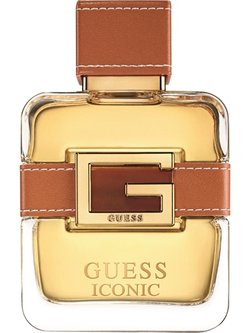

Emilie Bouge
2 creationsEmilie Bouge is a perfumer who has earned a coveted place among the creators behind one of the most storied fragrance houses in the world — Creed. Her work for Creed demonstrates a talent for crafting luxurious, refined compositions that live up to the house's legendary standards. Creed is unlike any other fragrance house. Founded in 1760, it claims a heritage stretching back over 250 years, with a client list that has included royalty, heads of state, and Hollywood icons. Creating for Creed means working within one of the richest traditions in all of perfumery. Bouge's creation of Carmina for Creed is a stunning achievement. Carmina is a feminine fragrance that blends fruit, flowers, and warm musks in a way that feels both timeless and contemporary. It captures the spirit of a confident, elegant woman who knows exactly who she is. Queen of Silk, another of her Creed creations, takes its inspiration from the luxurious textures and rich colors of fine silk. The fragrance is smooth, opulent, and beautifully crafted. It has the kind of seamless quality that makes it feel effortless — though achieving that sense of effortlessness requires enormous skill. What makes Bouge's work for Creed particularly noteworthy is the house's famously exacting standards. Creed uses some of the finest and most expensive raw materials in the industry. Their fragrances are expected to be exceptional in every way — from the quality of the ingredients to the beauty of the composition. Working with these premium materials is both a privilege and a challenge. Premium ingredients can be more complex and harder to control than their synthetic counterparts. They require a perfumer who truly understands how natural materials behave and interact. Bouge clearly has this understanding. Her style is characterized by a sense of luxurious femininity. Her compositions feel generous and enveloping without being heavy or cloying. There is a warmth to her work that draws you in and makes you want to keep smelling. The Creed name carries enormous weight in the fragrance world. Aventus, Green Irish Tweed, and Silver Mountain Water are among the most iconic niche fragrances ever created. Adding to this legacy is a responsibility that Bouge handles with both skill and grace. Bouge represents a newer generation of perfumers who are helping to write the next chapter of Creed's long history. The house is evolving while staying true to its core values of quality and craftsmanship. Perfumers like Bouge are essential to this evolution. Her contributions to the Creed collection show that the house remains committed to artistic excellence. In a world where many luxury brands have become formulaic, Creed continues to surprise and delight — and Bouge's creations are a big part of the reason why. For fragrance lovers who appreciate the finest things in life, Bouge's work for Creed offers an experience that is truly special. Her fragrances are not just scents — they are small luxuries that elevate the everyday into something extraordinary.
Known for Creed Creed Carmina & Creed Creed Queen Of Silk
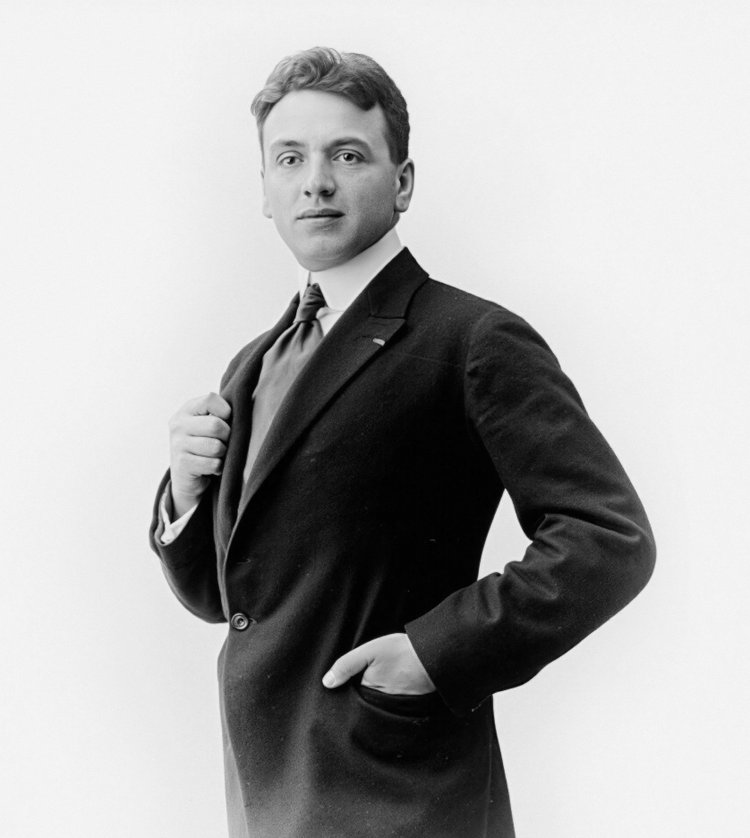
Ernest Beaux
2 creationsErnest Beaux is one of the most important figures in the entire history of perfumery. He is the creator of Chanel No. 5, arguably the most famous fragrance ever made and certainly one of the most influential creations in the history of luxury goods. Born in Moscow in 1881 to a family of French origin, Beaux grew up at the crossroads of Russian and French culture. His father worked for the perfume house Rallet, and the young Ernest followed him into the trade. He trained as a perfumer and showed extraordinary talent from the very beginning. His early life in Russia exposed him to the vast, cold landscapes and unique scents of the Russian north. Years later, he would describe how the midnight sun and the crisp Arctic air influenced his creative vision. These memories of ice, snow, and pristine freshness would find their way into his most famous creation. The story of Chanel No. 5 is one of the most legendary in the fragrance world. In 1920, Coco Chanel asked Beaux to create a fragrance that smelled like a woman, not like a flower. This was a revolutionary brief at a time when most women's fragrances were simple floral soliflores. Beaux responded with something the world had never smelled before. He presented Chanel with a series of samples numbered 1 through 5 and 20 through 24. She chose number 5. The name stuck, and history was made. What made No. 5 so groundbreaking was Beaux's bold use of aldehydes — synthetic molecules that gave the fragrance an abstract, sparkling quality unlike anything on the market. He used them in quantities that other perfumers considered reckless. The result was a fragrance that transcended the natural world — it did not smell like any single flower or ingredient. It smelled like something entirely new. Chanel No. 5 became an instant sensation and has remained the world's most famous perfume for over a century. It has been worn by icons from Marilyn Monroe to Catherine Deneuve. Its cultural impact extends far beyond the fragrance industry — it is a symbol of luxury, femininity, and timeless style. But Beaux's genius extended beyond No. 5. He also created No. 22 for Chanel, another remarkable composition that showcased his mastery of aldehydes and florals. And his earlier work at Rallet produced fragrances that were highly regarded in their own right. Beaux's use of aldehydes was not just a technical innovation — it was an artistic revolution. He showed that perfumery could go beyond reproducing natural scents. It could create entirely new olfactory experiences that existed only in the imagination of the perfumer. This idea opened the door for every abstract, modern fragrance that followed. He also understood something fundamental about luxury fragrance that many of his contemporaries missed. A great perfume is not just about beautiful ingredients — it is about creating an aura, an identity, a feeling. Chanel No. 5 does not just smell good. It makes the wearer feel elegant, confident, and special. Beaux passed away in 1961, but his legacy is immortal. Every time someone opens a bottle of Chanel No. 5, they are experiencing the vision of a man who changed the world of fragrance forever. He did not just create a perfume — he created a cultural icon that has endured for more than a hundred years.
Known for Chanel No 22 Parfum & Chanel Chanel #5
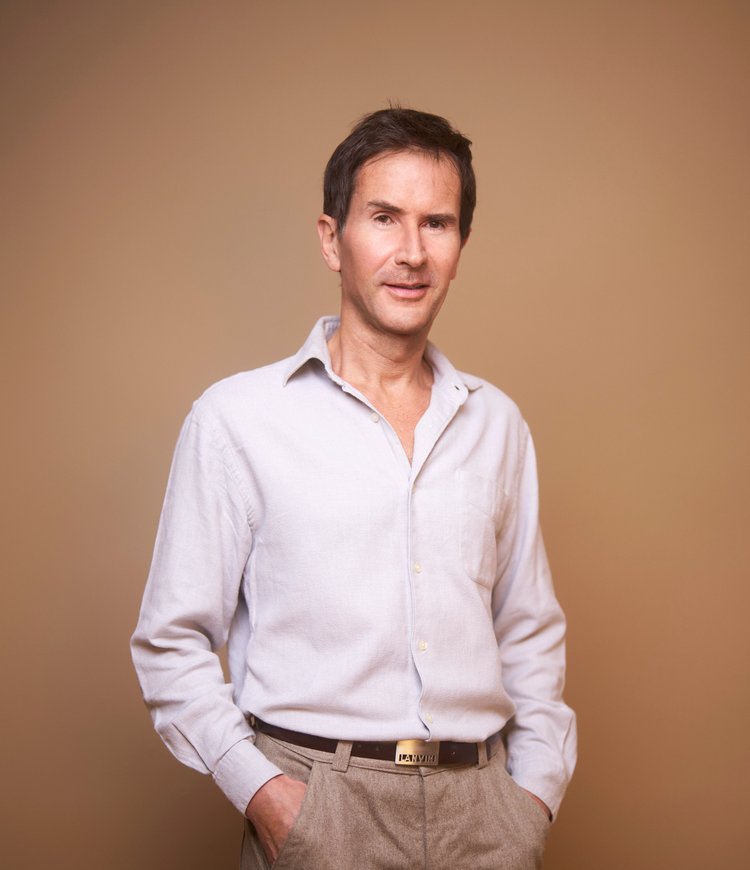
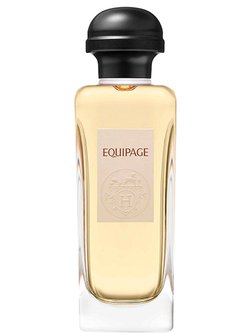
Guy Robert
2 creationsGuy Robert is one of the legendary figures of twentieth-century perfumery. His career spanned the golden age of French fragrance creation, and his compositions remain benchmarks of the art form that continue to inspire perfumers today. Born in France in 1928, Robert grew up in a family connected to the fragrance industry. His father was also a perfumer, giving young Guy early exposure to the world of raw materials, compositions, and the creative process. This foundation would prove invaluable. Robert received formal training in perfumery and quickly established himself as a talent of the first order. His nose was exceptional even by the high standards of the French perfumery world. He could detect and distinguish subtle nuances that escaped many of his contemporaries. His creation of Dioressence for Dior in 1979 stands as one of the great achievements of its era. Dioressence is a rich, complex composition that blends chypre and oriental elements into something bold and captivating. It was daring for its time — a fragrance that refused to be demure or predictable. The Parfum version of Dioressence took these qualities even further, concentrating the composition into its most intense and beautiful form. Parfum, or extrait, represents the purest expression of a perfumer's vision, and Robert's Dioressence Parfum is a masterwork of the format. Robert belonged to an era when perfumers had more creative freedom than they often do today. There were fewer focus groups, fewer marketing constraints, and more willingness to take creative risks. Robert took full advantage of this freedom, creating fragrances that were genuinely original and artistically ambitious. His understanding of the chypre structure — the classic combination of citrus, moss, and labdanum that has been a pillar of perfumery since François Coty invented it in 1917 — was masterful. Robert could build a chypre that felt both traditional and fresh, honoring the genre's history while adding his own distinctive twist. Robert was also known as a thoughtful thinker about his craft. Like his contemporary Edmond Roudnitska, he believed that perfumery deserved to be recognized as a legitimate art form. He wrote and lectured about the creative process, helping to elevate the intellectual status of the profession. His working methods were rigorous and exacting. He believed that every element of a composition should be there for a reason and that unnecessary complexity was the enemy of beauty. This disciplined approach gave his fragrances a clarity and coherence that many of his peers admired. Robert's influence extends far beyond his own creations. He helped shape the culture of French perfumery during a crucial period in its development. The standards he set and the artistic vision he championed continue to guide perfumers today. Guy Robert passed away in 2012, leaving behind a body of work that represents some of the finest achievements in the history of fragrance. His compositions are studied, analyzed, and revered by perfumers and enthusiasts around the world. In the pantheon of great perfumers, his place is secure.
Known for Dior Dioressence Parfum & Dior Dioressence
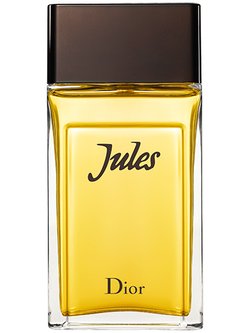
Jean Martel
2 creationsJean Martel is a French perfumer whose career has been dedicated to crafting distinctive masculine fragrances for major fashion houses. His work demonstrates a refined understanding of what makes a men's fragrance both timeless and appealing. Martel trained in the traditions of French perfumery, developing a deep knowledge of raw materials and composition techniques. His style reflects the classic French approach — balanced, elegant, and grounded in quality craftsmanship. His creation of Jules for Dior is a significant contribution to the house's masculine fragrance portfolio. Jules is a bold, characterful fragrance that captures a sense of French masculinity — confident, sophisticated, and effortlessly stylish. The name itself evokes a classic French archetype. The 2016 reinterpretation of Jules showed Martel's ability to revisit and reimagine his own work. Updating a fragrance for a new era while maintaining its essential character is a delicate task. The new version needed to feel relevant to contemporary tastes while honoring what made the original special. Creating for Dior is one of the highest honors in perfumery. The house has an unmatched legacy in fragrance, from Miss Dior to Sauvage. Every new addition to the portfolio is measured against this extraordinary history. Martel rose to the challenge. What makes Jules distinctive is its personality. In a market crowded with safe, inoffensive fragrances designed to appeal to the broadest possible audience, Jules has the courage to be itself. It does not try to please everyone — it speaks to men who want something with genuine character. Martel understands that the best men's fragrances are not just pleasant smells — they are extensions of identity. When a man chooses a fragrance, he is making a statement about who he is and how he wants to be perceived. Jules makes a strong, positive statement. His approach to composition reflects the belief that restraint is as important as generosity. Knowing what to leave out of a formula is just as crucial as knowing what to put in. Martel's fragrances are carefully edited, with nothing wasted and nothing out of place. The evolution of men's perfumery over the decades has been dramatic. From the heavy powerhouses of the 1980s to the fresh aquatics of the 1990s to the sweet gourmands of today, the landscape has shifted repeatedly. Through these changes, Martel's commitment to creating well-crafted, characterful compositions has remained constant. His work may not always make headlines, but it represents the kind of steady, professional excellence that the fragrance industry depends on. Not every great perfumer needs to be a celebrity. Some of the finest work is done by artists who simply focus on creating the best possible fragrances, one formula at a time. For men who value quality and character in their fragrance choices, Martel's contributions to Dior's portfolio offer exactly that — well-made, distinctive scents created by a perfumer who takes his craft seriously.
Known for Dior Jules & Dior Jules 2016
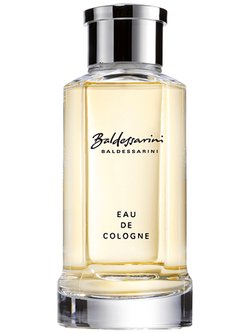



Amber Jobin
1 creationAmber Jobin is a perfumer whose creative work bridges the worlds of niche and designer fragrance. In an industry that often draws a sharp line between artistic, small-batch perfumery and large-scale commercial work, Jobin moves comfortably between both, bringing a contemporary sensibility to everything she creates. Jobin's path into perfumery reflects the changing nature of the industry itself. Where older generations of perfumers often came from families with deep roots in the trade, today's perfumers come from all kinds of backgrounds. What they share is an extraordinary sense of smell and a willingness to spend years learning the thousands of raw materials that make up a perfumer's palette. Her approach to fragrance creation is grounded in classic techniques but informed by modern tastes. She understands that today's fragrance lovers are more curious and more adventurous than ever before. They want scents that tell a story, that surprise them, that feel different from what everyone else is wearing. At the same time, they want something wearable — a fragrance that works in real life, not just on a testing strip. One of Jobin's notable creations is Reflets d'Ambre, a unisex fragrance that explores the rich, warm world of amber. Amber is one of perfumery's most beloved ingredients, prized for its golden warmth and gentle sweetness. But it can easily become heavy or cloying if handled without care. Jobin's treatment of amber is nuanced and multilayered, revealing different facets as the fragrance develops on the skin. The result is a scent that feels luxurious without being overwhelming. The fact that Reflets d'Ambre is unisex speaks to a broader trend in perfumery that Jobin embraces. More and more, people are choosing fragrances based on what they love rather than what a marketing campaign tells them to wear. Jobin's work reflects this shift, creating compositions that are open and inclusive. Working across both niche and designer houses gives Jobin a unique perspective. Niche perfumery allows for more experimentation, more unusual ingredient choices, and smaller batches. Designer perfumery, on the other hand, demands broader appeal and often involves working within established brand codes. The ability to excel in both spaces is a mark of a versatile and skilled perfumer. Jobin is part of a growing wave of perfumers who are helping to redefine what modern fragrance can be. She brings a fresh eye to traditional ingredients and techniques, creating scents that feel both timeless and thoroughly contemporary. As the fragrance world continues to expand and diversify, perfumers like Jobin play an important role in keeping the art form vibrant and relevant. Her career is a reminder that great perfumery is not about following formulas — it is about having the courage to trust your instincts and the skill to turn inspiration into something beautiful that people can wear every day.
Known for Maison Francis Kurkdjian Reflets d'Ambre
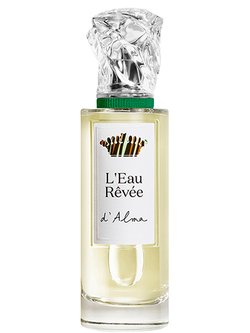
Bernard Ellena
1 creationBernard Ellena is a French perfumer who belongs to one of the most distinguished families in the history of fragrance. The Ellena name is synonymous with perfumery excellence — his brother Jean-Claude Ellena is one of the most celebrated perfumers of all time, known for his work as the in-house nose at Hermès. Growing up in a family so deeply rooted in the world of scent gave Bernard a unique foundation that few perfumers can claim. Bernard Ellena built his career with a quiet, steady dedication to his craft. While his brother pursued a more public-facing path, Bernard focused on creating beautiful fragrances that spoke for themselves. This understated approach is reflected in his work, which tends to favor elegance and subtlety over flashiness. He spent much of his career working in Grasse, the perfumery capital of the world, nestled in the hills of southern France. Grasse has been the center of the fragrance industry for centuries, and working there means being surrounded by the finest natural raw materials on earth — fields of jasmine, rose, and lavender that have supplied the world's greatest perfumes for generations. This environment shaped Ellena's deep appreciation for quality ingredients and careful craftsmanship. One of his notable creations is White Jeans, a fresh, youthful fragrance that captures a spirit of casual elegance. The name itself suggests something easy and relaxed, and the fragrance delivers on that promise. It is the kind of scent that feels effortless — clean, bright, and happy. Creating a fragrance that feels this simple and natural is actually quite difficult. It requires a perfumer with a refined sense of balance and proportion, someone who knows exactly how much of each ingredient to use and when to stop adding. Ellena's approach to perfumery reflects the values of the Grasse tradition — a deep respect for raw materials, patience in the creative process, and an understanding that great perfumery is as much about what you leave out as what you put in. In a world where many fragrances try to do too much, piling note upon note in search of complexity, Ellena's work reminds us that restraint can be its own form of beauty. The Ellena family's contribution to perfumery is remarkable. Having two brothers who both became accomplished perfumers is almost unheard of, and it speaks to the deep olfactory culture in which they were raised. Bernard and Jean-Claude share a love of quality and craftsmanship, but each has his own distinctive style and creative voice. Bernard Ellena's career may not have generated the same level of media attention as some of his more famous contemporaries, but his work has earned the respect of his peers and the appreciation of fragrance lovers who value quality over hype. In the fragrance world, there is a growing recognition that some of the most talented perfumers are those who work quietly behind the scenes, pouring their skill and passion into every formula without seeking the spotlight. His legacy is one of consistency, taste, and a genuine love for the art of perfumery. For anyone interested in understanding the depth and richness of French perfumery tradition, Bernard Ellena's work offers a beautiful window into a world where craftsmanship and artistry come together in the most intimate way possible.
Known for Versace White Jeans
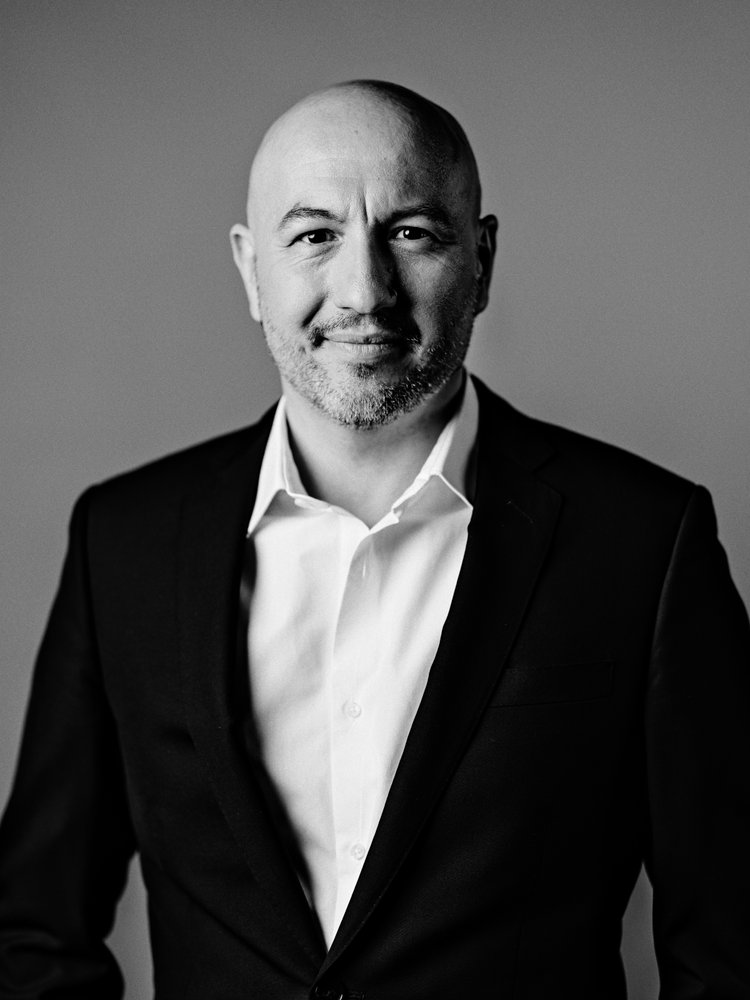
Bruno Jovanovic
1 creationBruno Jovanovic is a perfumer who brings a distinctive creative voice to the fragrance world. His work demonstrates an ability to create compositions that are both emotionally engaging and technically accomplished, earning him recognition among industry professionals and fragrance enthusiasts alike. Jovanovic's path into perfumery reflects the increasingly diverse routes that modern perfumers take into the profession. While the traditional path often involved growing up in Grasse or being born into a perfumery family, today's perfumers come from a wide variety of backgrounds and bring fresh perspectives to an ancient art form. His creation Onde Extase is a fragrance that captures a sense of heightened emotion and sensory intensity. The name itself — suggesting waves of ecstasy — hints at the experience the fragrance aims to deliver. Jovanovic crafted a scent that builds and evolves on the skin, creating moments of beauty and surprise as different notes emerge and interact. It is the kind of fragrance that demands attention and rewards it with genuine pleasure. Creating a fragrance that lives up to an evocative name like Onde Extase is no easy task. The perfumer must translate an abstract concept — a wave of intense feeling — into a concrete olfactory experience. This requires not just technical skill but also imagination, empathy, and a deep understanding of how scent affects emotion. Jovanovic rises to this challenge with skill and confidence. What makes Jovanovic's approach interesting is his ability to balance sensuality with sophistication. Many fragrances that aim to be seductive end up feeling heavy or obvious. Jovanovic manages to create scents that are undeniably alluring while maintaining a sense of elegance and refinement. This balance is one of the hallmarks of skilled perfumery. The modern fragrance industry offers perfumers more creative opportunities than ever before. With hundreds of new fragrances launching every year, there is constant demand for fresh ideas and new perspectives. Perfumers like Jovanovic help meet this demand by bringing their unique vision to each project, ensuring that the world of fragrance continues to evolve and surprise. Jovanovic understands that a great fragrance is more than just a collection of pleasant notes. It is a complete experience that engages the wearer on multiple levels — emotional, intellectual, and sensory. His compositions are designed to create these kinds of multidimensional experiences, inviting the wearer to pay attention and stay present with the scent as it develops. In the fragrance community, there is a growing appreciation for perfumers who take creative risks and bring genuine artistry to their work. Jovanovic belongs to this category — a perfumer who sees fragrance creation as an opportunity for genuine creative expression rather than simply a commercial exercise. His career continues to develop, and each new creation adds another dimension to his growing body of work. For fragrance lovers who value originality and emotional depth in their perfumes, Jovanovic is a name worth remembering. His work reminds us that even in a crowded marketplace, there is always room for fragrances that are created with passion, skill, and a genuine desire to move people.
Known for Giorgio Armani Onde Extase
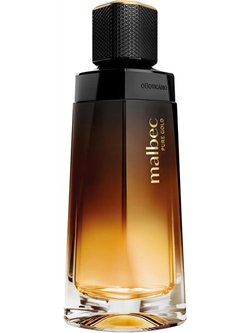
Carlos Viñals
1 creationCarlos Viñals is a perfumer whose work has left a mark on the world of men's fragrance. Based in Europe, he has contributed to creations for some of the biggest names in designer perfumery. His career in fragrance began with a deep curiosity about how scent can shape the way people feel. He trained in the art of perfumery and developed a style that combines energy and sophistication in equal measure. One of his standout creations is Higher Energy for Dior. This fragrance captures a feeling of vitality and forward motion — like the rush you get from a burst of adrenaline. It blends citrus, spice, and musk in a way that feels dynamic and alive. Higher Energy was part of Dior's push into fresher, more modern men's scents. The fragrance world in the early 2000s was shifting away from heavy, dark compositions toward something lighter and more active. Viñals read this shift perfectly. What makes Higher Energy special is its balance. It has enough depth to feel substantial but enough freshness to work as an everyday scent. That sweet spot is incredibly hard to hit, and many perfumers spend their entire careers trying to find it. Creating for a house like Dior comes with enormous expectations. The brand's fragrance legacy includes some of the most iconic scents ever made. Any new addition needs to feel worthy of that history while also bringing something new to the table. Viñals rose to this challenge with confidence. Higher Energy feels like a Dior fragrance — polished, elegant, and carefully crafted — while also carving out its own identity within the house's lineup. The art of men's perfumery has changed dramatically over the past few decades. Where older generations of men often stuck with one signature scent for life, today's consumers are more adventurous. They want variety, and they want fragrances that match different moods and occasions. Perfumers like Viñals have helped drive this evolution. By creating scents that are expressive and distinctive without being overwhelming, they have shown men that fragrance can be a form of personal expression rather than just a grooming routine. Viñals's approach to composition reflects a modern understanding of what men want from their fragrances. Clean lines, confident energy, and a sense of effortless cool — these are the qualities that define his work. His contribution to the Dior fragrance family alone secures his place in the history of modern perfumery. In an industry full of talented noses, Viñals stands out for his ability to create scents that feel both timeless and thoroughly contemporary.
Known for Dior Higher Energy
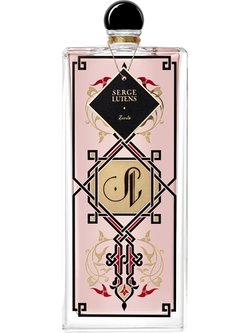
Christopher Sheldrake
1 creationChristopher Sheldrake is a British perfumer who has earned legendary status in the fragrance world through his work with some of the most prestigious and artistically ambitious houses in perfumery. His career is defined by a commitment to quality, originality, and an almost obsessive attention to detail. Sheldrake grew up in England and studied chemistry before finding his way into the world of fragrance. His scientific training gave him a deep understanding of raw materials and their interactions — knowledge that would prove invaluable throughout his career. He spent many years working alongside the great Serge Lutens, one of the most important figures in modern perfumery. Lutens is known for his uncompromising artistic vision and his refusal to follow commercial trends. Working in this environment shaped Sheldrake's own approach to fragrance — he learned that perfumery at its best is a genuine art form, not just a commercial enterprise. His work with Chanel has been a highlight of his career. Coromandel Parfum, part of Chanel's exclusive Les Exclusifs collection, is a stunning composition that blends patchouli, chocolate, and incense into something rich, warm, and deeply sophisticated. It is the kind of fragrance that perfume lovers discover and become obsessed with. The Les Exclusifs collection represents the pinnacle of Chanel's fragrance artistry. These are not mass-market scents — they are carefully crafted compositions for true connoisseurs. Being entrusted with creations for this collection speaks volumes about the level of respect Sheldrake commands. What sets Sheldrake apart from many of his contemporaries is his patience. He is known for spending months, sometimes years, perfecting a single formula. In an industry that often rushes fragrances to market, this dedication to getting things right is increasingly rare and deeply admirable. His understanding of raw materials is exceptional. He knows not just what each ingredient smells like in isolation, but how it behaves in combination with hundreds of other materials. This deep knowledge allows him to create compositions of remarkable complexity and harmony. Sheldrake's aesthetic tends toward the rich and the complex. His fragrances often have an almost architectural quality — carefully constructed structures where every element serves a purpose. Remove any single note, and the whole composition would change. This level of precision is the mark of a true master. He is also known for his respect for tradition. While many modern perfumers are eager to embrace the latest synthetic molecules and cutting-edge techniques, Sheldrake maintains a deep appreciation for the classic methods and materials of perfumery. This does not make him old-fashioned — it makes him grounded. In perfume enthusiast circles, Sheldrake is spoken about with a reverence usually reserved for only a handful of living perfumers. His work with Serge Lutens alone would be enough to secure his legacy, but his contributions to Chanel and other houses have elevated him even further. His career is a reminder that the greatest perfumery happens when talent, knowledge, and artistic integrity come together. In a world of fast fashion and instant gratification, Sheldrake's patient, meticulous approach to his craft feels both refreshing and essential.
Known for Chanel Coromandel Parfum
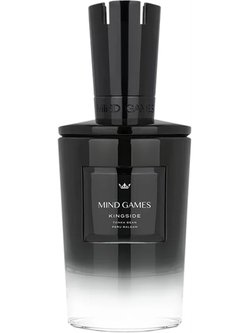
David Apel
1 creationDavid Apel is an American perfumer whose career is crowned by one of the most iconic creations in modern fragrance history — Black Orchid for Tom Ford. This single fragrance would be enough to secure his legacy, but Apel's contribution to perfumery extends far beyond any one creation. Apel grew up in the United States and discovered his passion for fragrance through a combination of curiosity and natural talent. He pursued training in perfumery and developed an ability to create compositions that are both artistically ambitious and commercially powerful. Black Orchid, launched in 2006, was Tom Ford's debut fragrance under his own name. It needed to be a statement — something that would announce Tom Ford as a serious force in the fragrance world. Apel delivered beyond anyone's expectations. Black Orchid is dark, rich, and utterly luxurious. It blends black truffle, ylang-ylang, orchid, patchouli, and dark chocolate into something that defies easy description. It is sexy without being obvious, mysterious without being unapproachable. It smells expensive because it is expensive — both in ingredients and in ambition. When Black Orchid launched, it was a genuine shock to the fragrance world. Nothing else smelled like it. In an era of safe, focus-grouped fragrances, Black Orchid was a bold artistic statement. It divided opinion — some loved it instantly, others needed time to understand it — but nobody ignored it. The fragrance went on to become one of Tom Ford's best-selling scents and a modern classic. It has inspired countless imitators but has never been truly replicated. There is something about the original formula that remains unique and untouchable. What makes Black Orchid so remarkable is its ability to be both challenging and wearable. Many avant-garde fragrances sacrifice wearability for artistic ambition. Apel found a way to be daring and accessible at the same time — a needle that very few perfumers have threaded so successfully. The fragrance also proved that there was a huge market for dark, complex, unisex fragrances. Before Black Orchid, conventional wisdom said that mainstream consumers wanted fresh, clean, easy scents. Apel showed that people were ready for something deeper and more provocative. Apel's approach to composition reflects his belief that a great fragrance should make you feel something. Black Orchid does not just smell good — it creates an atmosphere. It changes the energy of a room when someone wearing it walks in. That kind of presence is the hallmark of a truly exceptional fragrance. Beyond Black Orchid, Apel has contributed to other notable creations throughout his career. But there is no escaping the gravitational pull of his most famous work. Some perfumers create dozens of successful fragrances, and some create one that changes the industry. Apel did the latter. His legacy is secure. Black Orchid remains a benchmark against which dark, luxurious fragrances are measured. For any fragrance lover who has ever been captivated by its mysterious, enveloping beauty, David Apel is the creative mind behind that experience.
Known for Tom Ford Black Orchid
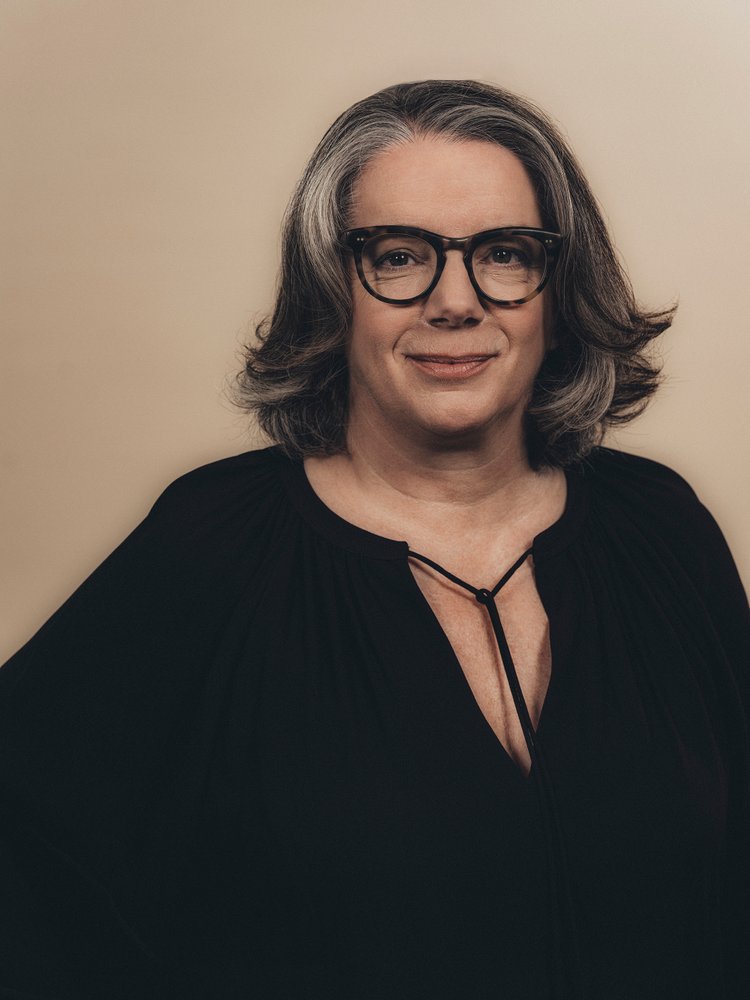
Domitille Michalon-Bertier
1 creationDomitille Michalon-Bertier is a French perfumer who brings a thoughtful, carefully considered approach to fragrance creation. Her work for major fashion houses demonstrates a talent for creating compositions that are both refined and distinctive. Michalon-Bertier trained in the art of perfumery in France, developing a deep understanding of raw materials and the endless ways they can be combined. Her style favors precision and clarity — every note in her compositions serves a clear purpose. Her creation of Versace Man is one of the highlights of her career. This masculine fragrance captures the Versace spirit of bold Italian glamour while remaining sophisticated and wearable. It blends fresh and warm notes in a way that feels both modern and timeless. Versace is a brand that demands a very specific energy from its fragrances. They need to be confident, eye-catching, and unmistakably Italian. Michalon-Bertier understood this brief perfectly and delivered a composition that embodies the Versace man — someone who is stylish, self-assured, and never afraid to stand out. Creating for a house with such a strong visual identity is a unique challenge. The fragrance needs to feel like it belongs alongside the bold prints, bright colors, and architectural silhouettes that define Versace fashion. Michalon-Bertier achieved this by crafting a scent that is both distinctive and versatile. What makes Versace Man particularly impressive is its longevity in the market. Many designer fragrances launch with fanfare and then quietly disappear within a few years. Versace Man has endured, maintaining a loyal following of men who consider it their go-to scent. Michalon-Bertier's approach to men's fragrance reflects a modern understanding of masculinity. Her compositions avoid the overly aggressive or one-dimensional styles that once dominated the men's counter. Instead, she creates fragrances with nuance and depth — scents that a man can wear with equal confidence to a business meeting or a weekend dinner. The art of creating a successful men's designer fragrance is often underestimated. It requires an understanding of male grooming habits, cultural expectations, and the way men actually shop for and wear fragrance. Michalon-Bertier navigates these considerations with skill and sensitivity. In the competitive world of designer perfumery, standing out requires more than just technical skill. It requires a point of view, a creative vision that sets your work apart from the hundreds of other fragrances launching every year. Michalon-Bertier brings this vision to every project she undertakes. Her career continues to develop, and her contribution to the Versace fragrance portfolio alone marks her as a perfumer of significant talent. In an industry that often overlooks the creators behind its most popular products, Michalon-Bertier deserves recognition for the skill and artistry she brings to her craft.
Known for Versace Versace Man
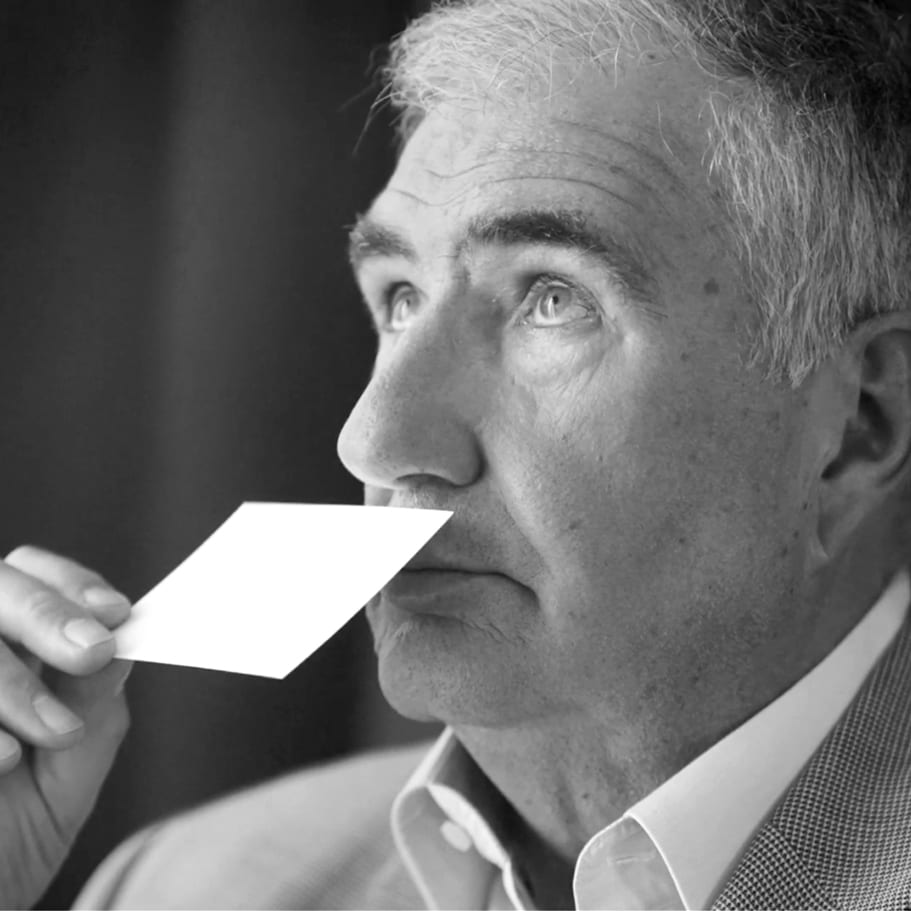
Edouard Fléchier
1 creationEdouard Fléchier is a French perfumer whose career spans some of the most creative and commercially important decades in the fragrance industry. He is best known for his work on major fragrances for Dior and other luxury houses that helped define the smell of the late twentieth century. Fléchier grew up in France, where the perfumery tradition runs deep. He trained in the craft and developed a keen instinct for creating compositions that are both elegant and memorable. His style combines classic French sophistication with a willingness to explore unexpected combinations. His creation of Tendre Poison for Dior is one of the standout achievements of his career. Tendre Poison was part of the legendary Poison franchise, one of the most iconic fragrance families in the history of Dior. The original Poison was a powerhouse — dark, intense, and impossible to ignore. Tendre Poison offered a gentler, more romantic interpretation. Creating a "tender" version of something as bold as Poison was a fascinating creative challenge. Fléchier needed to maintain the sense of mystery and seduction that defined the original while making it softer, more approachable, and more wearable for everyday use. He succeeded beautifully. Tendre Poison captures a sense of gentle seduction — the idea that allure does not always require intensity. It uses green and floral notes to create something that feels fresh and intimate. It is Poison with a smile rather than a smolder. The Poison franchise is one of the most important in the history of Dior perfumery. Being selected to contribute to this family is a mark of enormous trust. Dior does not hand its most valuable fragrance assets to just anyone. Fléchier earned that trust through years of demonstrated skill and creativity. Beyond his Dior work, Fléchier contributed to fragrances for other prominent houses throughout his career. His compositions share a common thread — a sense of refinement and balance that reflects the best traditions of French perfumery. Fléchier belongs to a generation of perfumers who learned their craft in an era when the industry was smaller and more personal. Perfumers knew their raw materials intimately, often visiting the fields where flowers were grown and the factories where essences were extracted. This hands-on connection to materials gives his work a depth and authenticity that is sometimes missing in more modern compositions. His approach to fragrance creation values harmony above all else. In Fléchier's work, no single note dominates. Instead, the ingredients work together like instruments in an orchestra, each contributing to a greater whole. This sense of balance is what gives his fragrances their lasting appeal. The legacy of perfumers like Fléchier is important to preserve. They represent a bridge between the golden age of French perfumery and the modern era. Their work shows what is possible when talent, training, and artistic vision come together in service of creating something beautiful that people can wear and enjoy every day.
Known for Dior Tendre Poison Parfum
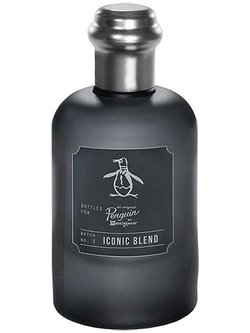
Ellen Molner
1 creationEllen Molner is a perfumer whose creative work reflects a modern, versatile approach to fragrance creation. She has contributed to compositions for major luxury houses, demonstrating an ability to work across different styles and genres with equal skill and confidence. Molner came to perfumery through a love of both science and art. The profession sits at the intersection of these two worlds — requiring deep technical knowledge of chemistry and raw materials alongside genuine creative imagination. Molner brings both of these qualities to her work. Her creation of Tom Ford Azure Lime is a perfect showcase of her talent. This fragrance is part of Tom Ford's prestigious Private Blend collection, a range of luxurious, artisanal scents that represent the pinnacle of the brand's fragrance portfolio. Azure Lime captures the sparkling freshness of a lime grove by the sea. It is bright, zesty, and energizing — the kind of fragrance that immediately lifts your mood and makes you think of sunny days and salt air. The combination of citrus and marine notes creates something that feels both natural and refined. Working for the Tom Ford Private Blend collection is one of the highest honors in modern perfumery. These are not mass-market fragrances — they are carefully crafted compositions for people who appreciate quality and exclusivity. The bar for entry is extremely high, and only the most skilled perfumers earn a place in the collection. What makes Azure Lime particularly impressive is its apparent simplicity. Great citrus fragrances are deceptively difficult to create. Citrus notes are naturally fleeting — they smell wonderful for the first few minutes but tend to fade quickly. Making a citrus fragrance that maintains its beauty and character throughout the day requires real technical expertise. Molner solved this challenge by building a structure that supports and extends the citrus notes without overwhelming them. The result is a fragrance that stays fresh and vibrant for hours, evolving gracefully as it wears. This kind of technical achievement often goes unnoticed by consumers, but it is deeply appreciated by industry professionals. Her approach to fragrance creation reflects the values of modern perfumery — innovation, quality, and a willingness to explore new ideas. She represents a generation of perfumers who are comfortable working with both natural and synthetic materials, using whatever tools best serve the creative vision. In the fragrance industry, many of the most talented people work behind the scenes. Their names may not appear on the bottles they create, but their artistry touches the lives of everyone who wears their fragrances. Molner belongs to this group of skilled, dedicated professionals. Her work on Azure Lime alone demonstrates the kind of talent that makes a real difference in the quality of fragrances available to consumers. It is a fragrance that brings genuine joy to the people who wear it, and that is ultimately what great perfumery is all about. As the fragrance industry continues to evolve and grow, perfumers like Molner play an essential role in maintaining the high standards of creativity and craftsmanship that define the best of modern perfumery.
Known for Tom Ford Tom Ford Azure Lime
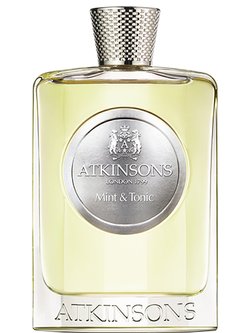
Evelyne Boulanger
1 creationEvelyne Boulanger is a perfumer whose work in the world of luxury fragrance demonstrates a refined sensibility and a talent for working with precious, exotic materials. Her creation for Giorgio Armani's exclusive Privé collection places her among the select group of perfumers trusted with the most prestigious briefs in the industry. Boulanger developed her skills in perfumery through years of training and practice. She built a deep understanding of raw materials — both natural and synthetic — and learned how to combine them in ways that create genuine beauty and emotional impact. Her creation of Armani Privé Oud Royal is a masterwork of oriental perfumery. Oud is one of the most prized and expensive ingredients in the fragrance world, derived from the resinous heartwood of agarwood trees. It has been treasured in Middle Eastern perfumery for centuries and has become one of the most sought-after notes in Western perfumery over the past two decades. Working with oud requires special expertise. The ingredient is powerful, complex, and can easily overwhelm a composition if not handled with care. Boulanger's treatment of oud in Oud Royal is masterful — she presents the ingredient in all its rich, smoky glory while keeping the overall fragrance balanced and wearable. The Armani Privé collection is Giorgio Armani's most exclusive fragrance line. These are not everyday fragrances — they are luxury creations designed for connoisseurs who appreciate the finest ingredients and the most skilled craftsmanship. Being selected to create for this collection is a mark of extraordinary talent. Oud Royal captures a sense of regal opulence that befits its name. It is the kind of fragrance you might imagine being worn in a palace — rich, commanding, and utterly luxurious. Yet it never feels excessive or heavy-handed. There is an elegance to it that keeps it refined even at its most intense. Boulanger's understanding of oriental and Middle Eastern fragrance traditions gives her work a depth that many Western perfumers struggle to achieve. She respects the cultural significance of ingredients like oud while bringing her own creative perspective to bear. The result is a fragrance that bridges East and West beautifully. The market for oud-based fragrances has exploded in recent years, with dozens of new oud fragrances launching every season. In this crowded field, Oud Royal stands out for its quality and sophistication. It does not rely on gimmicks or shock value — it succeeds through sheer excellence of composition. Boulanger's career is a reminder that perfumery is a craft that rewards patience, knowledge, and dedication. Creating a fragrance worthy of the Armani Privé name requires years of accumulated skill and an unwavering commitment to quality. Boulanger clearly possesses both. Her work on Oud Royal represents the kind of fragrance creation that elevates the entire industry. It shows what is possible when a talented perfumer is given access to the finest materials and the freedom to create something truly exceptional. For anyone who loves rich, luxurious fragrances rooted in the great traditions of oriental perfumery, Boulanger's Oud Royal is an essential experience.
Known for Giorgio Armani Armani Prive Oud Royal
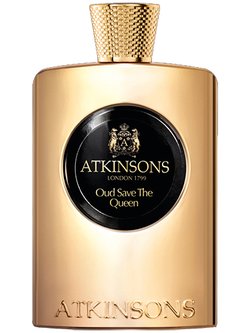
Francis Deleamont
1 creationFrancis Deleamont is a perfumer whose work in the luxury fragrance space reflects a commitment to quality craftsmanship and refined composition. His creations for prestigious houses demonstrate an understanding of what makes a fragrance feel truly luxurious. Deleamont trained in the art of perfumery and developed a style that values elegance and balance. His compositions are carefully constructed, with each ingredient playing a specific role in the overall harmony of the fragrance. His creation of Darley for Parfums de Marly is a standout achievement. Parfums de Marly is a luxury house that draws inspiration from the opulent court of eighteenth-century Versailles. Its fragrances are expected to embody a sense of aristocratic refinement, and Darley delivers on this promise beautifully. Darley is named after one of the three founding stallions of the thoroughbred horse breed. The fragrance captures a spirit of nobility, strength, and elegance — qualities associated with both the horse and the era that inspires the house. It is masculine, confident, and sophisticated. Creating for Parfums de Marly requires a deep understanding of luxury perfumery traditions. The house uses premium ingredients and expects compositions that rival the finest fragrances in the world. Deleamont rises to this challenge with a fragrance that feels both timeless and relevant. What makes Darley particularly appealing is its wearability. Many luxury fragrances prioritize complexity over comfort, resulting in compositions that are impressive on a testing strip but overwhelming on skin. Darley finds the perfect balance — it is rich enough to feel special but easy enough to wear every day. The art of men's luxury fragrance has evolved significantly in recent years. Today's consumers are more knowledgeable and more demanding than ever before. They want fragrances that offer genuine quality, not just prestigious packaging. Deleamont understands this and creates accordingly. His approach to composition reflects the values of classic French perfumery — attention to detail, respect for raw materials, and a belief that luxury should be felt, not just displayed. These are principles that have guided the greatest perfumers for centuries, and Deleamont carries them forward with skill and integrity. In the competitive world of luxury fragrance, standing out requires more than just technical competence. It requires a point of view, a creative sensibility that makes your work recognizable and distinctive. Deleamont brings this sensibility to his creations, producing fragrances that have their own character and identity. His contribution to the Parfums de Marly collection has earned him recognition among fragrance enthusiasts who appreciate quality and craftsmanship. Darley is frequently mentioned in discussions about the best offerings from the house, which is a testament to its lasting appeal. Deleamont's career is a reminder that great perfumery does not require hundreds of creations or constant media attention. Sometimes a single beautifully crafted fragrance can speak louder than a portfolio of dozens. Darley is exactly that kind of fragrance — a quiet masterpiece that rewards anyone who takes the time to discover it.
Known for Parfums de Marly Parfums De Marly Darley
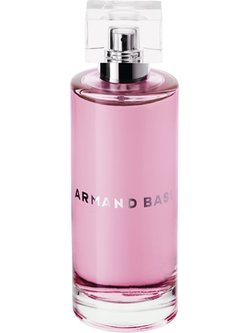
Françoise Caron
1 creationFrançoise Caron is a French perfumer whose work in the fragrance industry spans a career dedicated to craftsmanship, creativity, and an understanding of what makes a scent truly captivating. Her contributions to luxury perfumery have earned her respect among her peers and appreciation from fragrance lovers worldwide. Caron trained in perfumery in France, developing her skills in a tradition that values both artistry and technical precision. The French perfumery school is considered the finest in the world, and its graduates carry forward centuries of accumulated knowledge about raw materials, composition techniques, and olfactory aesthetics. Her creation of Versace Essence Exciting is a beautiful example of her talent. This feminine fragrance captures the essence of the Versace woman — bold, glamorous, and unafraid to make a statement. It blends fresh and warm notes in a way that feels both vibrant and sophisticated. The Versace brand is synonymous with Italian luxury and high-octane glamour. Creating a fragrance that embodies these qualities requires an understanding of fashion, culture, and the specific aesthetic language of the house. Caron demonstrated this understanding beautifully. What makes Essence Exciting particularly compelling is its ability to evolve on the skin. A great fragrance is not static — it changes and develops over time, revealing new facets and creating a sense of discovery. Caron's composition delivers this kind of dynamic, evolving experience. Working with a house like Versace means translating visual and emotional concepts into scent. The colors, textures, and energy of a Versace runway show need to find their olfactory equivalent in the perfume. This kind of cross-sensory translation is one of the most challenging and rewarding aspects of being a perfumer. Caron's approach to fragrance creation reflects the values of thoughtful, intentional composition. Her fragrances are not thrown together hastily — they are carefully constructed with attention to every detail. Each ingredient is chosen for a specific reason, and the way they interact has been considered from every angle. In the fragrance industry, many of the most talented creators work quietly behind the scenes. Their names may not be immediately recognizable to the general public, but their work touches the lives of millions. Caron belongs to this distinguished group of skilled professionals. Her career is a testament to the enduring power of French perfumery traditions. In an industry that is always chasing the next trend, perfumers like Caron remind us that timeless quality never goes out of style. The fundamentals of good composition — balance, harmony, and emotional resonance — remain the same regardless of changing fashions. For fragrance enthusiasts who appreciate the art and craft of perfumery, Caron's work offers a window into what makes a truly well-made fragrance. Her compositions reward attention and patience, revealing their beauty gradually to those who take the time to listen.
Known for Versace Versace Essence Exciting
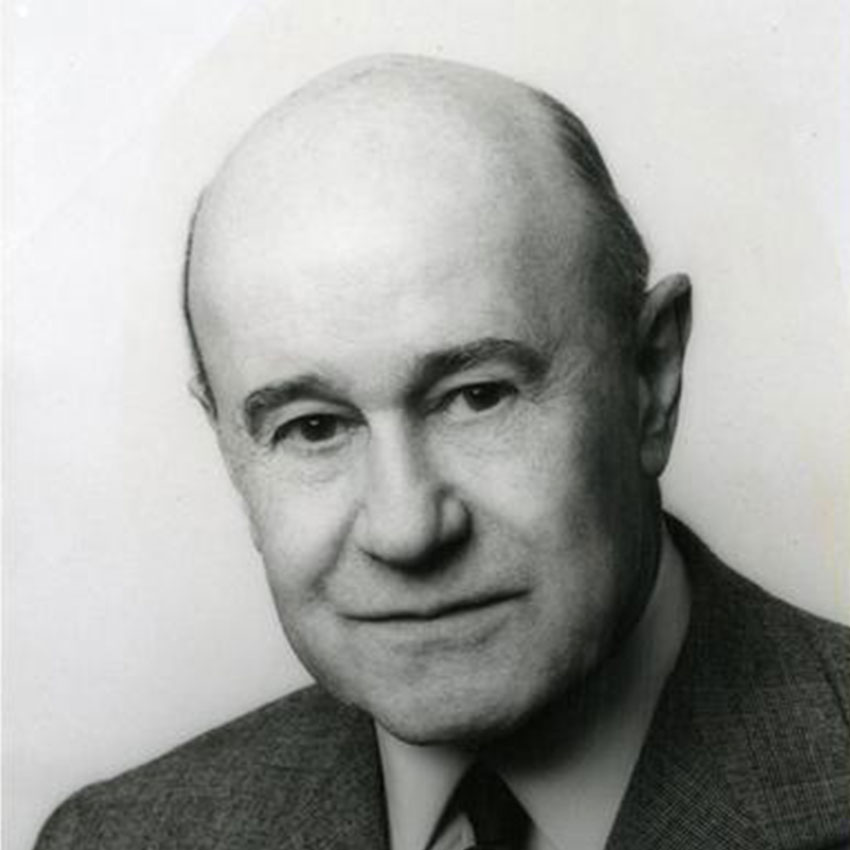
Henri Robert
1 creationHenri Robert is one of the most important perfumers in the history of Chanel. Serving as the house's in-house perfumer for decades, he carried forward the legacy established by the legendary Ernest Beaux and created fragrances that would become pillars of the Chanel collection. Robert joined Chanel at a time when the house was already the most prestigious name in fragrance, thanks to the enduring success of Chanel No. 5. Following in the footsteps of Beaux was a daunting challenge, but Robert proved himself more than worthy of the responsibility. His masterpiece is Chanel No. 19, created in 1970 and named after Coco Chanel's birthday on August 19th. No. 19 is a green, iris-dominated fragrance that stands in striking contrast to the warmer, more opulent No. 5. Where No. 5 is golden and aldehydic, No. 19 is cool, sharp, and intellectual. Chanel No. 19 is widely regarded as one of the finest green fragrances ever created. Its blend of iris, galbanum, and vetiver creates something that feels both natural and abstract — like walking through a dew-covered garden at dawn. The fragrance has a crispness and clarity that makes it utterly distinctive. What makes No. 19 remarkable is its refusal to be easy or predictable. It is a fragrance that demands something from the wearer. It does not seduce in the conventional sense — it challenges and rewards. This intellectual quality has earned it a devoted following among fragrance connoisseurs who value depth over crowd-pleasing sweetness. Creating a numbered Chanel fragrance was an enormous responsibility. The Chanel numbers — No. 5, No. 19, No. 22 — carry a weight and significance that no other fragrance house can match. Robert understood this weight and created something worthy of it. His tenure at Chanel coincided with a period of significant change in the fragrance industry. New synthetic materials were expanding the perfumer's palette, and consumer tastes were evolving rapidly. Robert navigated these changes while maintaining the standards of quality and creativity that Chanel demanded. Robert was known for his disciplined, methodical approach to composition. He was not a perfumer who worked by instinct alone — he combined a deep knowledge of chemistry with artistic sensitivity. This dual expertise allowed him to create fragrances that were both technically excellent and emotionally moving. His influence on the Chanel fragrance aesthetic cannot be overstated. He bridged the gap between the house's founding era and its modern incarnation, preserving its core values while adapting to new times. Every Chanel perfumer who followed has worked in the shadow of both Beaux and Robert. The fact that Chanel No. 19 remains in production more than fifty years after its creation is the ultimate testament to Robert's talent. In an industry where most fragrances are discontinued within a few years, No. 19 endures — as fresh, as challenging, and as beautiful as the day it was made.
Known for Chanel Chanel 19
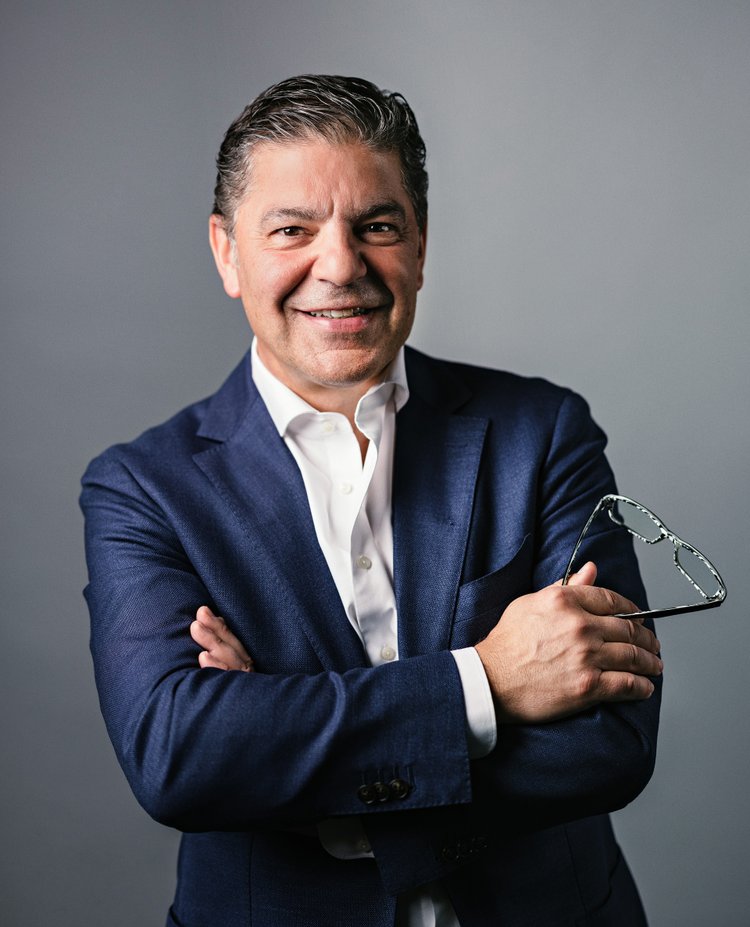
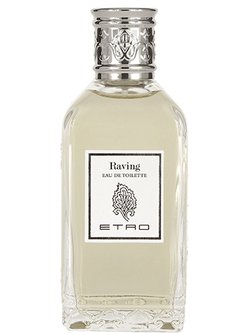
Jacques Flori
1 creationJacques Flori is a French perfumer whose career represents the deep traditions and steady craftsmanship that have made French perfumery the gold standard of the fragrance world. His work demonstrates a commitment to quality composition and a refined understanding of how ingredients work together. Flori trained in the art of perfumery in France, developing his nose and his knowledge over years of practice and study. The French perfumery tradition emphasizes patience, precision, and a deep respect for raw materials — values that are clearly reflected in his work. His creation of Ispazon is a masculine fragrance that showcases his ability to create compositions with character and depth. The fragrance combines classic masculine elements in a way that feels both grounded and distinctive. It is the work of a perfumer who understands the codes of men's fragrance and knows how to deliver within them while adding his own creative fingerprint. Men's fragrance creation is a specialized art within perfumery. The expectations and preferences of male consumers are different from those of the women's market, and creating fragrances that resonate with men requires a specific understanding of masculine aesthetics and grooming culture. Flori demonstrates this understanding clearly. What distinguishes Flori's approach is his emphasis on balance and wearability. His compositions are designed not just to impress on first spray but to wear well throughout the day. This kind of sustained beauty requires careful calibration of every element in the formula. The French perfumery world is home to many talented creators, and standing out in such a competitive field requires genuine skill. Flori has earned his place through consistent quality and a dedication to his craft that shows in every composition he produces. His work reflects an era of perfumery when craftsmanship was valued over marketing hype. The focus was on creating beautifully constructed fragrances first and worrying about trends second. This approach may seem old-fashioned in today's fast-moving market, but it produces fragrances of lasting quality. Flori's career is a reminder that great perfumery does not always need to be loud or attention-grabbing. Sometimes the most impressive achievement is a beautifully balanced composition that simply smells wonderful. That kind of quiet excellence is its own reward. His contributions to men's perfumery, while not widely known to the general public, represent the kind of solid, professional work that forms the backbone of the industry. Behind every well-loved fragrance is a perfumer who cared enough to get every detail right. Flori is exactly that kind of perfumer. For fragrance enthusiasts who appreciate well-crafted masculine compositions built on classic principles, Flori's work offers a satisfying experience. His fragrances are designed to be worn and enjoyed, not just admired — and that is exactly what great perfumery should be.
Known for Parfums de Marly Ispazon
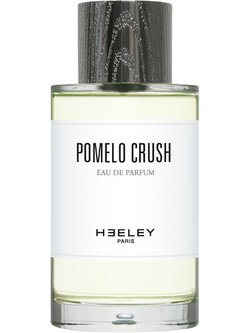
James Heeley
1 creationJames Heeley is a British-born, Paris-based perfumer and designer who brings a distinctly Anglo-Saxon perspective to the traditionally French-dominated world of fine perfumery. He is the founder of Heeley Parfums, his own fragrance house, and has also created compositions for other prestigious brands. Heeley's path to perfumery was unconventional. He studied graphic design before moving to Paris, where he became immersed in the world of fragrance. His design background gives his work a unique aesthetic sensibility — his fragrances are clean, precise, and beautifully structured, much like well-designed objects. His creation of Acqua Originale Cedre Blanc for Creed is a notable achievement. Creed is one of the most prestigious fragrance houses in the world, with a heritage stretching back centuries. Being selected to create for this legendary house is a mark of exceptional talent and taste. Cedre Blanc captures the clean, elegant beauty of white cedar. It is a fragrance that feels both natural and refined — woody without being heavy, fresh without being fleeting. The composition reflects Heeley's philosophy that simplicity and elegance are the highest forms of luxury. Heeley's approach to perfumery is influenced by his British sensibility. Where French perfumery often emphasizes opulence and complexity, Heeley favors understatement and clarity. His fragrances tend to be transparent, well-defined, and focused — each one built around a clear idea rather than a dense layering of notes. Through Heeley Parfums, he has created a collection of fragrances that reflect his love of nature, travel, and clean design. The house has earned a devoted following among fragrance connoisseurs who appreciate its distinctive, no-nonsense approach to perfumery. Living and working in Paris gives Heeley access to the finest raw materials and the most sophisticated fragrance culture in the world. But he brings to this world an outsider's perspective — a fresh eye that can see possibilities that insiders might miss. His design background also means that he thinks about fragrance differently from traditionally trained perfumers. He approaches each composition as a design problem to be solved — how to communicate a concept, an emotion, or a place through scent in the most effective and beautiful way possible. Heeley represents the increasingly international nature of modern perfumery. The industry is no longer exclusively French. Talented creators from Britain, the United States, the Middle East, and beyond are bringing new perspectives and new ideas to the art form. Heeley has been at the forefront of this internationalization. His work for Creed demonstrates that his distinctive approach can work at the highest levels of luxury perfumery. Cedre Blanc sits comfortably alongside Creed classics like Aventus and Green Irish Tweed — no small achievement for a designer-turned-perfumer. For anyone who appreciates fragrances that are elegant, understated, and beautifully crafted, Heeley's work is essential. He proves that you do not need to be born into a perfumery dynasty to create fragrances of the highest quality.
Known for Creed Creed Acqua Originale Cedre Blanc
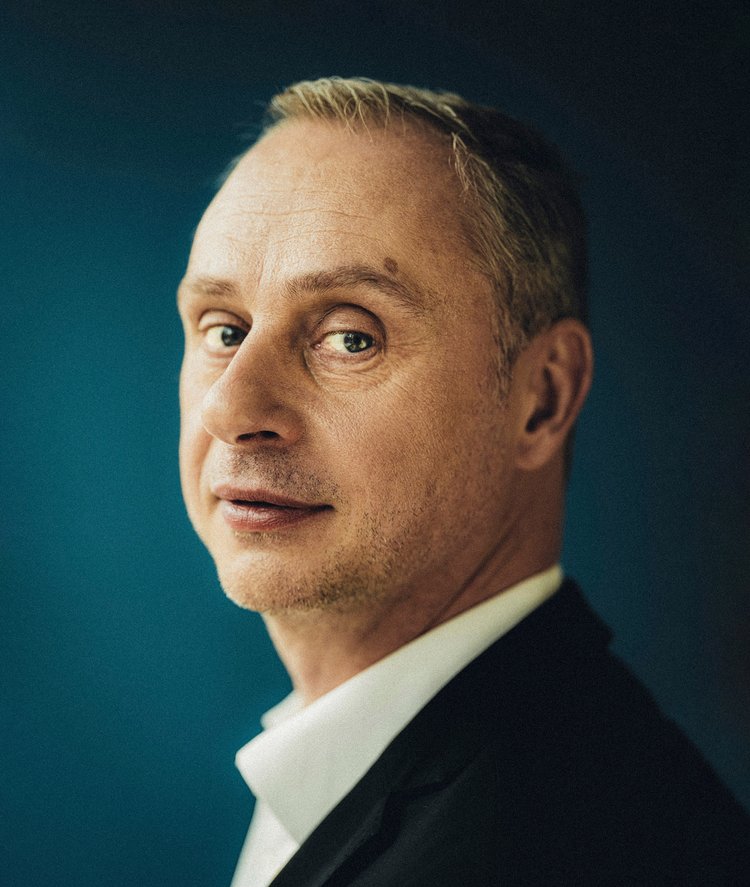
Jean-Christophe Hérault
1 creationJean-Christophe Hérault is a French perfumer whose name is forever linked to one of the most iconic and influential fragrances of the twenty-first century — Creed Aventus. This single creation has earned him a permanent place in the fragrance hall of fame. Hérault trained in perfumery in France and developed a refined sense for creating compositions that balance complexity with immediate appeal. His style favors bold, confident fragrances that make a strong first impression while revealing deeper layers over time. Aventus, launched by Creed in 2010, is not just a fragrance — it is a cultural phenomenon. Built around a groundbreaking combination of pineapple, birch, ambergris, and musk, Aventus created an entirely new genre of men's fragrance. Nothing before it smelled quite like it, and the thousands of imitations that have followed have only confirmed its originality. The pineapple note in Aventus was a masterstroke. Before Aventus, pineapple was not considered a serious note in masculine perfumery. Hérault showed that it could be transformed into something powerful and sophisticated when paired with smoky birch and earthy base notes. This unexpected combination is what gives Aventus its distinctive character. Aventus quickly became the best-selling fragrance in Creed's history and arguably the most popular niche fragrance ever made. It transcended the niche market entirely, becoming a mainstream phenomenon discussed on social media, YouTube, and fragrance forums around the world. The word "Aventus" became synonymous with luxury men's fragrance. The fragrance inspired an entire subculture of enthusiasts who obsessively compare different batches, hunting for subtle variations in the formula. This level of devotion is almost unprecedented in the fragrance world and speaks to the profound impression that Hérault's creation made on its audience. What makes Aventus so remarkable from a technical standpoint is its versatility. It works in every season, every occasion, and on virtually every skin type. It projects beautifully without being overwhelming. It lasts all day without becoming stale. These practical qualities, combined with its artistic brilliance, explain its universal appeal. Hérault's achievement with Aventus is even more impressive when you consider the competitive landscape. Creed's existing lineup included legendary fragrances like Green Irish Tweed and Silver Mountain Water. Creating something that could stand alongside these classics — and ultimately surpass them in popularity — was a formidable challenge. The commercial impact of Aventus on Creed as a business cannot be overstated. The fragrance almost single-handedly transformed Creed from a respected but relatively small luxury house into a global powerhouse. Its success eventually contributed to Creed's acquisition by Kering in 2023 for a reported $3.8 billion. Hérault's legacy is secure. In a century from now, when people discuss the most important fragrances of the early twenty-first century, Aventus will be near the top of the list. And Jean-Christophe Hérault will be remembered as the artist who created it.
Known for Creed Creed Aventus
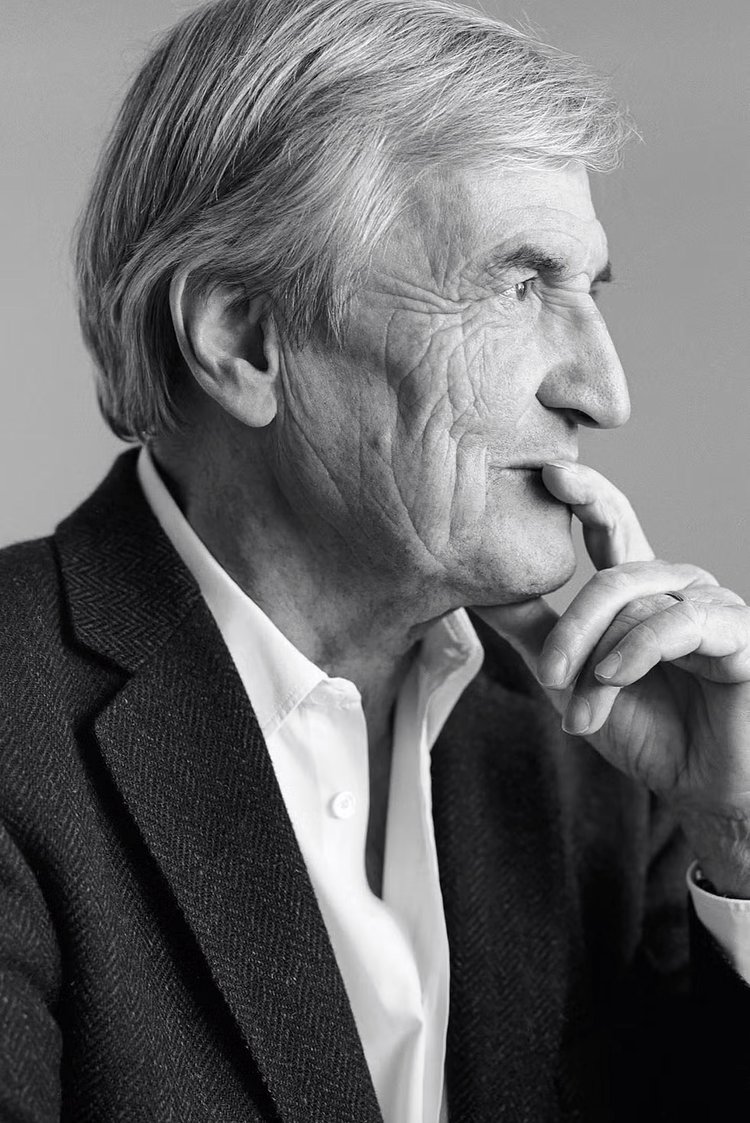
Jean-Claude Ellena
1 creationJean-Claude Ellena is widely regarded as one of the greatest perfumers of all time. His career spans over five decades, and his role as the exclusive in-house perfumer at Hermès from 2004 to 2016 cemented his reputation as a true master of the art. Born in Grasse in 1947, Ellena grew up in the fragrance capital of the world. His father worked in a local perfumery factory, and young Jean-Claude was surrounded by the scents of jasmine, rose, and orange blossom from childhood. He began his training at the age of 16 at the Givaudan school in Grasse. Ellena's creative philosophy is often described as minimalist, though he himself prefers the word "essential." He believes that a great fragrance should use the minimum number of ingredients needed to achieve the desired effect. Where other perfumers might use 200 or 300 raw materials in a formula, Ellena might use 20 or 30 — and achieve something just as beautiful. This reductive approach was revolutionary. It challenged the prevailing wisdom that complexity equals quality. Ellena showed that simplicity could be its own form of sophistication — that a fragrance with fewer notes could say more than one with hundreds. Before joining Hermès, Ellena created several notable fragrances including In Love Again for Yves Saint Laurent — a fresh, sparkling composition that captured the giddiness of new romance. The fragrance demonstrated his gift for translating emotions into scent with startling precision. His appointment as Hermès' in-house perfumer in 2004 was the defining moment of his career. Hermès gave him complete creative freedom — no marketing briefs, no consumer testing, no commercial constraints. He could create whatever he wanted, using the finest materials available. The result was a body of work that many consider the finest collection of fragrances created by any single perfumer at any single house. Terre d'Hermès, Un Jardin sur le Nil, Un Jardin en Méditerranée, and many others explored themes of nature, travel, and sensation with breathtaking originality. Ellena is also a prolific writer. His books about perfumery — including "Perfume: The Alchemy of Scent" and "The Diary of a Nose" — are among the most insightful and beautifully written texts about the art of fragrance. They offer a rare window into the creative mind of a working perfumer. His influence on the fragrance industry extends far beyond his own creations. He changed the way perfumers think about their craft, showing that restraint and precision could be more powerful than abundance. An entire generation of younger perfumers has been inspired by his approach. Ellena retired from his official role at Hermès in 2016 but continues to create fragrances and write about his craft. His legacy is monumental — not just for what he created but for how he changed the conversation about what perfumery could be. In the history of fragrance, Jean-Claude Ellena stands alongside Edmond Roudnitska and Ernest Beaux as one of the art form's true visionaries. His fragrances will be studied, admired, and worn for generations to come.
Known for Yves Saint Laurent In Love Again
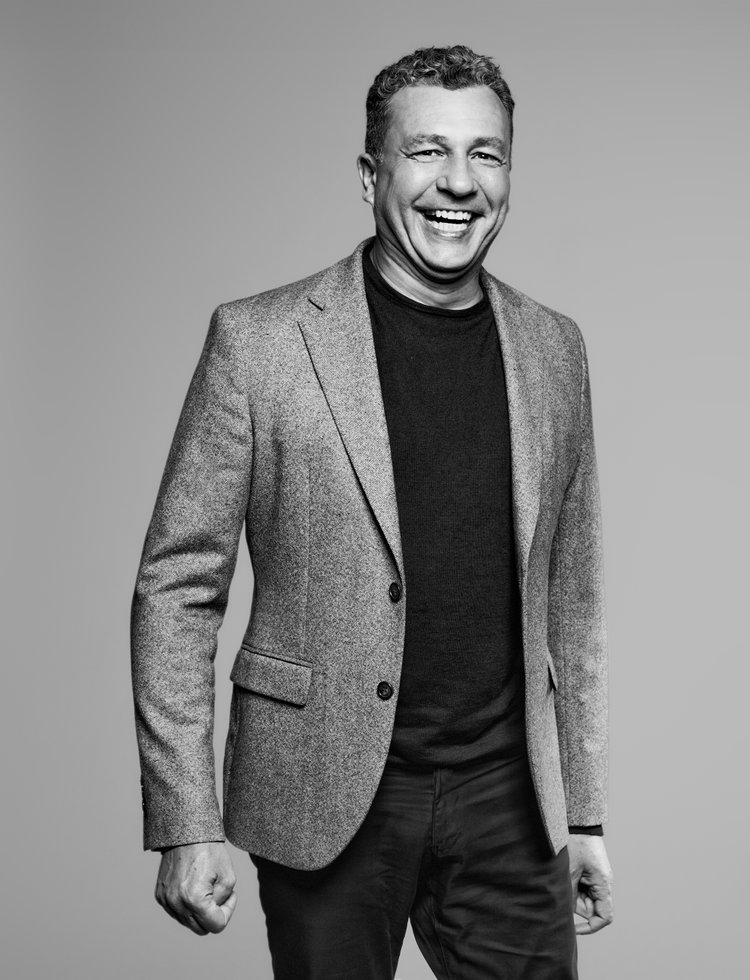
Jean-Marc Chaillan
1 creationJean-Marc Chaillan is a French perfumer whose work for Tom Ford has produced one of the most talked-about and commercially successful fragrances in the Private Blend collection. His creative vision has helped shape the direction of luxury fruity fragrances in recent years. Chaillan developed his skills through years of training in the French perfumery tradition. He built a deep understanding of raw materials and learned to create compositions that are both artistically satisfying and commercially powerful. His creation of Bitter Peach for Tom Ford is a landmark achievement in modern perfumery. Launched in 2020, Bitter Peach quickly became one of the most viral and discussed fragrances on social media. It captured the zeitgeist perfectly — rich, indulgent, and unapologetically sweet. Bitter Peach takes the idea of a peach fragrance and transforms it into something decadent and almost scandalous. The peach note is not the fresh, innocent fruit you might expect. Instead, it is overripe, dripping with juice, and surrounded by cognac, vanilla, and rum. The effect is intoxicating. The fragrance divided opinion — which is often a sign of something truly original. Some found it too sweet, too heavy, too much. Others fell deeply in love with its unapologetic richness. Tom Ford himself would probably appreciate this kind of controversy. The brand has always been about pushing boundaries and challenging conventions. What Chaillan achieved with Bitter Peach is technically impressive. Creating a fruity fragrance that feels luxurious rather than cheap is extremely difficult. Fruit notes can easily come across as juvenile or artificial, but Chaillan's treatment of peach is rich, complex, and thoroughly adult. The fragrance also arrived at exactly the right moment. The trend toward sweet, gourmand-leaning fragrances was accelerating, and Bitter Peach caught the wave perfectly. It became a social media sensation, with TikTok and Instagram driving awareness and demand to levels that few niche-luxury fragrances achieve. Bitter Peach's success also highlighted the growing importance of fruity fragrances in the premium market. For years, fruit notes were associated with inexpensive, mass-market scents. Chaillan helped change this perception by showing that fruit could be just as luxurious and sophisticated as traditional perfumery staples like rose, oud, or leather. The Tom Ford Private Blend collection is one of the most competitive and prestigious platforms in the fragrance world. Every fragrance in the collection needs to justify its premium price point through quality, originality, and sheer force of personality. Bitter Peach does all three. Chaillan's career extends beyond this single creation, but Bitter Peach is the fragrance that brought him widespread recognition. In an industry where creating a genuinely original composition becomes harder every year, Chaillan managed to create something that felt completely new and exciting. His work proves that there is always room for innovation in perfumery, even in categories — like fruity fragrances — that some might consider fully explored. It just takes the right combination of talent, vision, and timing.
Known for Tom Ford Tom Ford Bitter Peach
Lucien Piquet
1 creationLucien Piquet is a French perfumer whose career represents the classic traditions of European fragrance creation. His work for major fashion houses demonstrates a grounded, professional approach to perfumery that values quality and craftsmanship above all else. Piquet trained in the French perfumery tradition, learning the thousands of raw materials that make up a perfumer's palette and developing the skills needed to combine them into harmonious compositions. His training gave him a solid foundation that has served him throughout his career. His creation of Black Jeans is a distinctive masculine fragrance that captures a spirit of youthful energy and casual cool. The name evokes images of effortless style — the kind of confidence that comes from wearing something that just feels right. Black Jeans sits at an interesting intersection of men's fragrance styles. It has enough depth and character to feel sophisticated, but enough freshness and accessibility to work as an everyday scent. Finding this balance is one of the hardest things a perfumer can do. The fragrance was part of a broader trend in the 1990s and early 2000s toward creating fragrances with names and concepts that spoke to a younger, more fashion-conscious male consumer. These fragrances needed to feel cool and modern while still delivering the quality expected of a designer scent. Piquet's composition achieves this difficult balance. Black Jeans does not try too hard — it has a natural ease about it that makes it appealing to men who want to smell good without overthinking their fragrance choice. Creating accessible men's fragrances requires a different skill set than creating niche or avant-garde compositions. The perfumer needs to understand the daily lives, habits, and preferences of regular men who may not be fragrance enthusiasts. Piquet clearly has this understanding. His approach to composition reflects the values of a certain era of perfumery — one that prized elegance, wearability, and broad appeal. These may not be the most fashionable values in today's niche-obsessed market, but they produce fragrances that real people enjoy wearing. The legacy of perfumers like Piquet is important to acknowledge. Not every great fragrance needs to be a groundbreaking artistic statement. Sometimes the most valuable contribution is a well-crafted, enjoyable scent that brings a little beauty and confidence into someone's daily routine. Piquet's career is a reminder that perfumery is ultimately about service — creating things that make people's lives a little better, a little more beautiful, and a little more confident. That is a worthy and admirable purpose for any creative profession.
Known for Versace Black Jeans
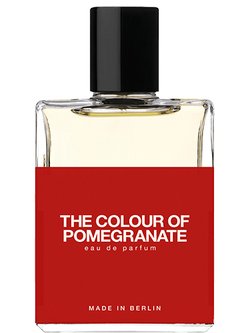
Mark Buxton
1 creationMark Buxton is a British perfumer who has earned a devoted following in the niche fragrance world for his bold, unconventional approach to composition. His work spans both niche and designer perfumery, demonstrating a creative range that keeps him relevant across different segments of the market. Buxton's path into perfumery was driven by a genuine passion for scent and a desire to push creative boundaries. He trained in the craft and developed a style that is distinctive, confident, and often surprising. His fragrances are not designed to be safe or predictable. His creation of V/S Homme shows his ability to work within the designer framework while maintaining his artistic edge. This masculine fragrance combines classic men's fragrance codes with unexpected twists that give it a distinctive personality. It is the work of a perfumer who respects tradition but refuses to be constrained by it. Buxton is perhaps even better known in the niche fragrance world, where he has created compositions for several artisanal houses. The niche world gives him the creative freedom to experiment, use unusual ingredients, and follow his instincts wherever they lead. His niche work tends to be more adventurous and personal. What makes Buxton interesting is his British perspective on perfumery. The British approach to fragrance is often described as more eccentric and individualistic than the French tradition. Where French perfumery values harmony and classical beauty, British perfumery embraces quirkiness, humor, and surprise. Buxton embodies these qualities. He also founded his own fragrance line, Mark Buxton Perfumes, which gives him complete creative control over a collection of highly personal compositions. These fragrances represent his purest creative vision, unfiltered by commercial considerations or brand codes. His understanding of materials is deep and instinctive. He can work with challenging ingredients that other perfumers might shy away from, transforming them into something beautiful and wearable. This willingness to embrace difficulty is one of the hallmarks of a genuinely creative perfumer. In the fragrance community, Buxton has earned a reputation as an artist who prioritizes creativity over commercial appeal. While his fragrances certainly have fans and followers, his primary motivation is artistic expression rather than market share. His career demonstrates that there are many valid paths in perfumery. Some perfumers pursue blockbuster commercial success. Others, like Buxton, pursue a more personal, artistic vision. Both approaches have value, and the fragrance world is richer for having both. For fragrance lovers who seek out compositions that are original, thought-provoking, and made with genuine creative passion, Mark Buxton's work offers a rewarding journey of discovery.
Known for Versace V/S Homme

Marypierre Julien
1 creationMarypierre Julien is a French perfumer whose work for Giorgio Armani showcases a talent for capturing the natural beauty of the world in a bottle. Her fresh, luminous compositions reflect a deep connection to nature and an ability to translate its beauty into scent. Julien trained in perfumery in France and developed a style that favors freshness, transparency, and natural-feeling compositions. Her fragrances feel like they were inspired by real places and real experiences rather than abstract concepts. Her creation of Ocean di Gioia for Giorgio Armani is a beautiful example of this approach. Part of the successful Gioia franchise, Ocean di Gioia captures the exhilaration of standing by the sea — the salt air, the sparkling water, the sun on your skin, and the feeling of total freedom. The Gioia line is one of Armani's most important fragrance collections, and each entry needs to embody the Italian concept of "gioia" — joy. Julien captures this emotion beautifully. Ocean di Gioia is a genuinely joyful fragrance that lifts your spirits every time you spray it. Creating a convincing ocean or marine fragrance is technically challenging. Water itself has no smell, so the perfumer must construct the impression of ocean from a combination of salt molecules, aquatic notes, and fresh accords. Julien handles this challenge with skill and sensitivity. What sets Ocean di Gioia apart from other marine fragrances is its warmth. Many aquatic compositions feel cold and clinical. Julien's version retains the freshness of the ocean while adding enough warmth to make it feel alive and inviting. It smells like a warm ocean, not a cold one. Working within the Armani aesthetic requires a specific understanding of Italian design principles. Armani's approach to luxury has always been about making things look and feel effortless. His clothes, his interiors, and his fragrances all share this quality of studied nonchalance. Julien captures it perfectly. The success of the Gioia franchise has been an important part of Armani's fragrance strategy. The original Acqua di Gioia was a massive hit, and subsequent releases like Ocean di Gioia have kept the franchise fresh and relevant. Julien's contribution has been integral to this ongoing success. Her approach to freshness is nuanced and sophisticated. She does not simply pile on citrus and marine notes. Instead, she carefully layers different types of freshness — watery, salty, ozonic, floral — to create a multidimensional experience that evolves beautifully on the skin. Julien represents a generation of perfumers who are particularly attuned to consumers' desire for natural, clean-feeling fragrances. As concerns about sustainability and environmental consciousness grow, fragrances that celebrate the beauty of nature feel increasingly relevant. Her work on Ocean di Gioia is a reminder that some of the most powerful fragrance experiences come from the simplest concepts. The joy of being near the ocean is universal, and Julien has captured it in a bottle that anyone can enjoy.
Known for Giorgio Armani Ocean Di Gioia
Maurice Roger
1 creationMaurice Roger is a French perfumer whose career has been defined by a commitment to elegance and beauty in fragrance creation. His work for Dior produced one of the most beloved and enduring women's fragrances of the twentieth century. Roger trained in the traditions of French perfumery, developing a deep appreciation for quality raw materials and the art of combining them into harmonious compositions. His style reflects the best of the French school — refined, balanced, and emotionally resonant. His creation of Dolce Vita for Dior is a masterpiece of joyful, sun-drenched perfumery. Launched in 1994, Dolce Vita captures the "sweet life" of the Mediterranean — golden sunlight, fresh flowers, warm skin, and the pure happiness of a perfect day. The name, borrowed from Federico Fellini's iconic 1960 film, sets expectations impossibly high. Roger meets them. Dolce Vita blends peach, lily, magnolia, and sandalwood into something that feels like bottled sunshine. It is warm without being heavy, sweet without being cloying, and sophisticated without being stuffy. The overall effect is one of radiant, effortless beauty. Creating a fragrance that embodies happiness is surprisingly difficult. Joy is one of the most fleeting and elusive emotions, and translating it into scent requires both technical mastery and genuine emotional intelligence. Roger achieved something that many perfumers attempt but few accomplish. The fragrance became a commercial success and a critical darling. It earned praise from perfume critics and consumers alike, a combination that is rarer than you might think. Many fragrances that please critics leave consumers cold, and vice versa. Dolce Vita pleased everyone. Working for Dior at this period meant working within one of the most demanding and quality-obsessed houses in fashion. Every fragrance had to meet extraordinarily high standards, and the competition for briefs was fierce. Roger earned his place through sheer quality of work. Dolce Vita also captures a specific moment in cultural history — the 1990s optimism that preceded the anxieties of the new millennium. It smells like a world without worries, a world where the sweet life is there for the taking. This nostalgic quality has helped it endure long after many of its contemporaries have been discontinued. Roger's achievement with Dolce Vita shows that perfumery at its best can capture not just smells but entire ways of being. The fragrance does not just smell good — it embodies an ideal of happiness, beauty, and carefree living that continues to resonate with people decades after its creation. For anyone searching for a fragrance that genuinely makes them feel happy, Dolce Vita remains one of the finest options available. It is a testament to Maurice Roger's talent that his vision of the sweet life continues to bring joy to people around the world.
Known for Dior Dolce Vita
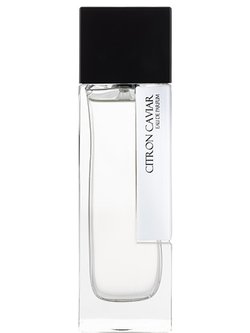

Nelly Hachem Ruiz
1 creationNelly Hachem Ruiz is a perfumer of Lebanese heritage whose work for Giorgio Armani's exclusive Privé collection demonstrates a talent for creating rich, exotic compositions rooted in the great traditions of Middle Eastern perfumery. Her cultural background gives her a unique perspective that enriches her creative work. Hachem Ruiz grew up at the crossroads of Eastern and Western fragrance traditions. Lebanon has a rich history as a meeting point of cultures, and this cultural complexity is reflected in her approach to perfumery. She brings both European sophistication and Middle Eastern opulence to her compositions. Her creation of Armani Privé Cuir Zerzura is a stunning example of her talent. Cuir Zerzura draws its name from Zerzura, the legendary "City of Gold" said to be hidden somewhere in the Sahara Desert. The fragrance captures the mystery, warmth, and golden beauty of this mythical place. The leather note in Cuir Zerzura is handled with exceptional skill. It is warm and enveloping rather than harsh or aggressive. Combined with desert-inspired notes of saffron, amber, and precious woods, it creates a fragrance that feels like a journey into a magical, golden world. Working for the Armani Privé collection is one of the most prestigious assignments in perfumery. These fragrances represent the absolute pinnacle of Armani's creative ambition. They use the finest ingredients, target the most discerning consumers, and are held to the highest creative standards. What makes Hachem Ruiz's work particularly interesting is her ability to bridge Eastern and Western fragrance aesthetics. Middle Eastern perfumery tends to favor richness, intensity, and generous use of oud, rose, and amber. European perfumery often values subtlety, structure, and transparency. Hachem Ruiz blends these traditions seamlessly. Her Lebanese heritage gives her an instinctive understanding of ingredients like saffron, oud, and rose that many Western perfumers need to learn. She grew up with these materials as part of her cultural environment, and this familiarity gives her work an authenticity that resonates with consumers from both Eastern and Western backgrounds. The luxury fragrance market has seen a dramatic shift toward Middle Eastern-inspired compositions in recent years. Oud, amber, and incense-heavy fragrances have moved from niche curiosity to mainstream must-have. Perfumers like Hachem Ruiz, who naturally understand these materials, are perfectly positioned for this trend. Cuir Zerzura represents the kind of cross-cultural creativity that is making modern perfumery more interesting and more diverse. It is a fragrance that could only have been created by someone who carries both Eastern and Western traditions within them. Her work is a beautiful reminder that the future of perfumery lies in the meeting of cultures, traditions, and perspectives. The most exciting fragrances often come from the spaces where different worlds overlap.
Known for Giorgio Armani Armani Prive Cuir Zerzura
Nicolas Beaulieu
1 creationNicolas Beaulieu is a French perfumer whose work for Giorgio Armani's elite Privé collection places him among the select group of creators trusted with the most prestigious briefs in luxury perfumery. His compositions reflect a deep understanding of what makes a fragrance feel truly exclusive and special. Beaulieu trained in perfumery in France, developing the technical skills and artistic sensitivity that high-end fragrance creation demands. His style favors elegance and mystery — fragrances that draw you in and make you want to know more. His creation of Armani Privé Sable Nuit is a beautiful example of his talent. The name — Night Sand — evokes the image of desert dunes under a starlit sky. It is one of the most poetic concepts in the Privé collection, and Beaulieu translates it into scent with remarkable skill. Sable Nuit captures the mysterious beauty of the desert at night — the lingering warmth of sun-heated sand, the coolness of the evening air, the vast silence of an empty landscape. It combines amber, oud, and woody notes in a way that feels both ancient and contemporary. The Armani Privé collection is where the brand's creative ambitions are most fully realized. Free from the commercial pressures of the mainline collection, Privé fragrances can be more adventurous, more complex, and more personal. Beaulieu takes full advantage of this creative freedom. What makes Sable Nuit stand out in the crowded luxury oud-and-amber market is its restraint. Many fragrances in this category go for maximum impact, piling on heavy notes until the composition becomes overwhelming. Beaulieu takes the opposite approach, using each ingredient sparingly to create a fragrance that feels spacious and breathable. This sense of space is one of the most difficult things to achieve in oriental perfumery. It requires a perfumer who understands not just what to put in but what to leave out. Every empty space in the composition is as important as every filled one. Beaulieu demonstrates this understanding beautifully. His work captures the Armani aesthetic perfectly. Giorgio Armani's design philosophy has always been about understated luxury — elegance that comes from quality and proportion rather than from showiness. Sable Nuit embodies this philosophy in every note. The desert has been a source of inspiration for many perfumers, but few have captured it as evocatively as Beaulieu. His fragrance does not just smell like the desert — it feels like the desert. It transports you to a specific time and place with an immediacy that is genuinely moving. Beaulieu's contribution to the Armani Privé collection confirms his status as a perfumer of real taste and talent. In a world where many luxury fragrances blur together, Sable Nuit stands out as something genuinely distinctive and beautifully crafted.
Known for Giorgio Armani Armani Prive Sable Nuit
Richard Herpin
1 creationRichard Herpin is a French perfumer whose career is crowned by one of the most revered and influential fragrances in modern luxury perfumery — Tom Ford Oud Wood. This single creation has earned him an enduring place in the fragrance pantheon. Herpin trained in perfumery in France, developing the technical mastery and creative sensibility needed to work at the highest levels of the industry. His style favors refinement and sophistication — his fragrances are carefully crafted compositions that never feel excessive or unbalanced. Oud Wood for Tom Ford is his masterpiece. Launched as part of the Private Blend collection, Oud Wood took an ingredient that was largely unknown to Western audiences and made it accessible, desirable, and impossibly cool. It is widely credited with popularizing oud in Western perfumery. Before Oud Wood, oud was a niche curiosity in Western markets — a raw material beloved in the Middle East but largely unknown elsewhere. Herpin's genius was in presenting oud in a way that felt familiar and comfortable to Western noses. He softened its rougher edges, combined it with smooth woods and spices, and created something that smelled both exotic and approachable. The impact of Oud Wood on the fragrance industry has been enormous. It spawned thousands of oud-based fragrances from brands at every price point. The "oud wood" combination became a genre unto itself. Every fragrance house now has at least one oud composition in its lineup, and many of them can trace their inspiration directly back to Herpin's creation. What makes Oud Wood technically brilliant is its balance. The oud note is clearly present but never overwhelming. It is framed by cardamom, Chinese pepper, and smooth sandalwood in a way that creates warmth and depth without heaviness. The overall effect is sophisticated and subtle — luxury that whispers rather than shouts. Oud Wood has also proven remarkably versatile. It works in every season, on every skin type, and in virtually any situation — from a business meeting to a formal dinner to a casual weekend. This versatility has contributed to its enormous commercial success and its status as one of the most recommended fragrances online. The Tom Ford Private Blend collection is one of the most competitive platforms in perfumery. Every fragrance needs to justify a significant price premium through exceptional quality and originality. Oud Wood does this effortlessly. It has remained one of the collection's best sellers since its launch. Herpin's legacy is defined by this singular achievement. Some perfumers create dozens of good fragrances. Others create one that changes the entire industry. Herpin belongs firmly in the latter category. Oud Wood did not just join the fragrance landscape — it reshaped it fundamentally. For anyone who has ever sprayed on an oud fragrance and loved it, they owe a debt of gratitude to Richard Herpin. He is the perfumer who introduced the Western world to one of perfumery's most magical ingredients.
Known for Tom Ford Tom Ford Oud Wood
Ron Winnegrad
1 creationRon Winnegrad is an American perfumer whose contributions to the fragrance industry span several decades of creative work for major designer brands. His career represents the important role that American perfumers play in an industry often associated primarily with France. Winnegrad developed his passion for fragrance through a combination of natural curiosity and dedicated study. He trained in perfumery and built a deep understanding of raw materials and composition techniques that would serve him throughout his career. His creation of Emporio Armani is a notable achievement. This fragrance captures the spirit of Giorgio Armani's younger, more accessible Emporio line — sophisticated but relaxed, elegant but approachable. It is the kind of fragrance that bridges the gap between formal luxury and everyday style. The Emporio Armani brand represents a specific segment of the luxury market — young professionals who appreciate quality and design but want something that feels current and relevant rather than stuffy or old-fashioned. Winnegrad's fragrance hits this target with precision. Creating a fragrance that embodies a brand's identity is one of the most important skills a perfumer can have. The scent needs to feel like a natural extension of the clothes, the advertising, and the overall aesthetic that the brand represents. Winnegrad demonstrates this skill beautifully. American perfumery has its own distinct character that sets it apart from the European tradition. Where French perfumery often emphasizes complexity and artistry, American perfumery tends to prioritize wearability, cleanliness, and a certain democratic accessibility. Winnegrad's work reflects these American values. His approach to composition is practical and consumer-focused. He creates fragrances that work in the real world — scents that people enjoy wearing to work, on dates, and in their everyday lives. This focus on wearability is not a compromise — it is a distinct artistic choice. The fragrance industry depends on perfumers who understand different markets and different consumers. Winnegrad's American perspective gives him insights into the tastes and preferences of one of the world's largest fragrance markets. His career is part of a broader story about the internationalization of perfumery. While France remains the spiritual home of the art form, talented perfumers from the United States, the Middle East, Asia, and beyond are making increasingly important contributions. Winnegrad has been part of this trend throughout his career. For fragrance enthusiasts who appreciate well-crafted, wearable compositions from designer brands, Winnegrad's work offers exactly that — quality fragrance creation informed by a deep understanding of what consumers want and need.
Known for Giorgio Armani Emporio Armani
Thierry Wasser
1 creationThierry Wasser is one of the most prestigious perfumers in the luxury fragrance world, currently serving as the in-house perfumer at Guerlain — one of the oldest, most respected, and most artistically ambitious fragrance houses on earth. Born in Strasbourg, France, Wasser grew up at the border of French and German culture. He trained in perfumery and built a career that would eventually lead him to one of the most coveted positions in the entire industry. Before joining Guerlain, Wasser created fragrances for other major houses, including Emporio Armani Diamonds. This elegant, sparkling fragrance demonstrated his ability to create compositions of great beauty and commercial appeal. Diamonds became a significant commercial success and a favorite among women who appreciate understated luxury. His appointment as Guerlain's in-house perfumer in 2008 was a defining moment. Guerlain is not just another luxury brand — it is the brand that essentially invented modern perfumery. Founded in 1828, the house has created some of the most legendary fragrances in history, including Shalimar, Mitsouko, and L'Heure Bleue. Taking charge of this extraordinary heritage is both an immense honor and an enormous responsibility. Wasser must maintain the quality and character that define Guerlain while creating new fragrances that feel relevant and exciting to contemporary consumers. He has risen to this challenge magnificently. Under his stewardship, Guerlain has continued to produce fragrances of the highest quality, honoring the house's legendary standards while exploring new creative directions. His work on lines like L'Art et la Matière showcases the pinnacle of his artistry. What makes Wasser's position unique is Guerlain's legendary "guerlinade" — a signature base accord that has run through the house's fragrances for over a century. Understanding and working with this historical DNA while keeping it alive and relevant requires both deep knowledge and artistic sensitivity. Wasser is known for his deep respect for natural raw materials. Guerlain has always prized the use of the finest naturals, and Wasser has maintained this commitment. He regularly travels to sourcing regions around the world to select the best ingredients personally. His role at Guerlain also makes him a custodian of cultural heritage. The house's historical fragrances are part of France's cultural patrimony, and Wasser takes this responsibility seriously. He has worked to preserve and restore classic Guerlain formulas alongside creating new compositions. The position of Guerlain's in-house perfumer is one that only a handful of people have held in nearly two centuries. Being chosen for this role is the ultimate validation of a perfumer's talent. Wasser has proven himself more than worthy of the honor. His career represents the highest aspirations of the perfumery profession — creating beauty, preserving tradition, and pushing the art form forward, all at the same time.
Known for Giorgio Armani Emporio Armani Diamonds